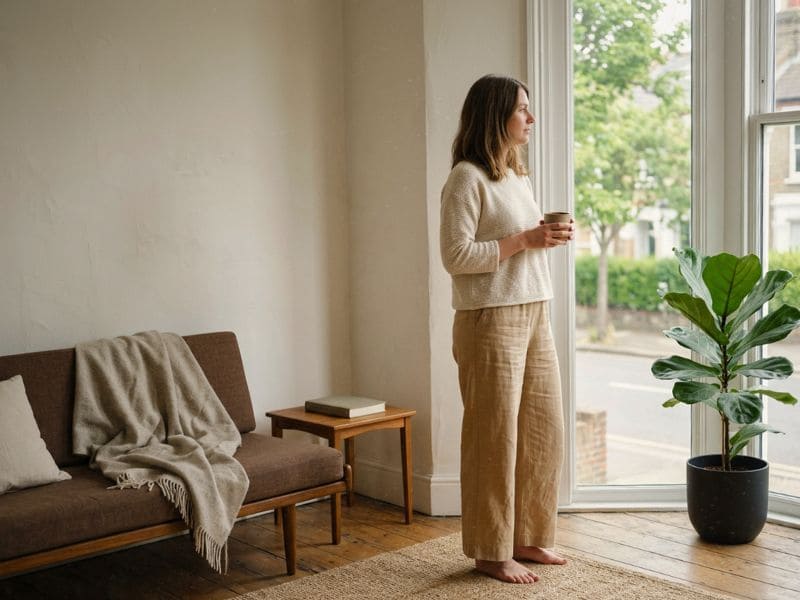
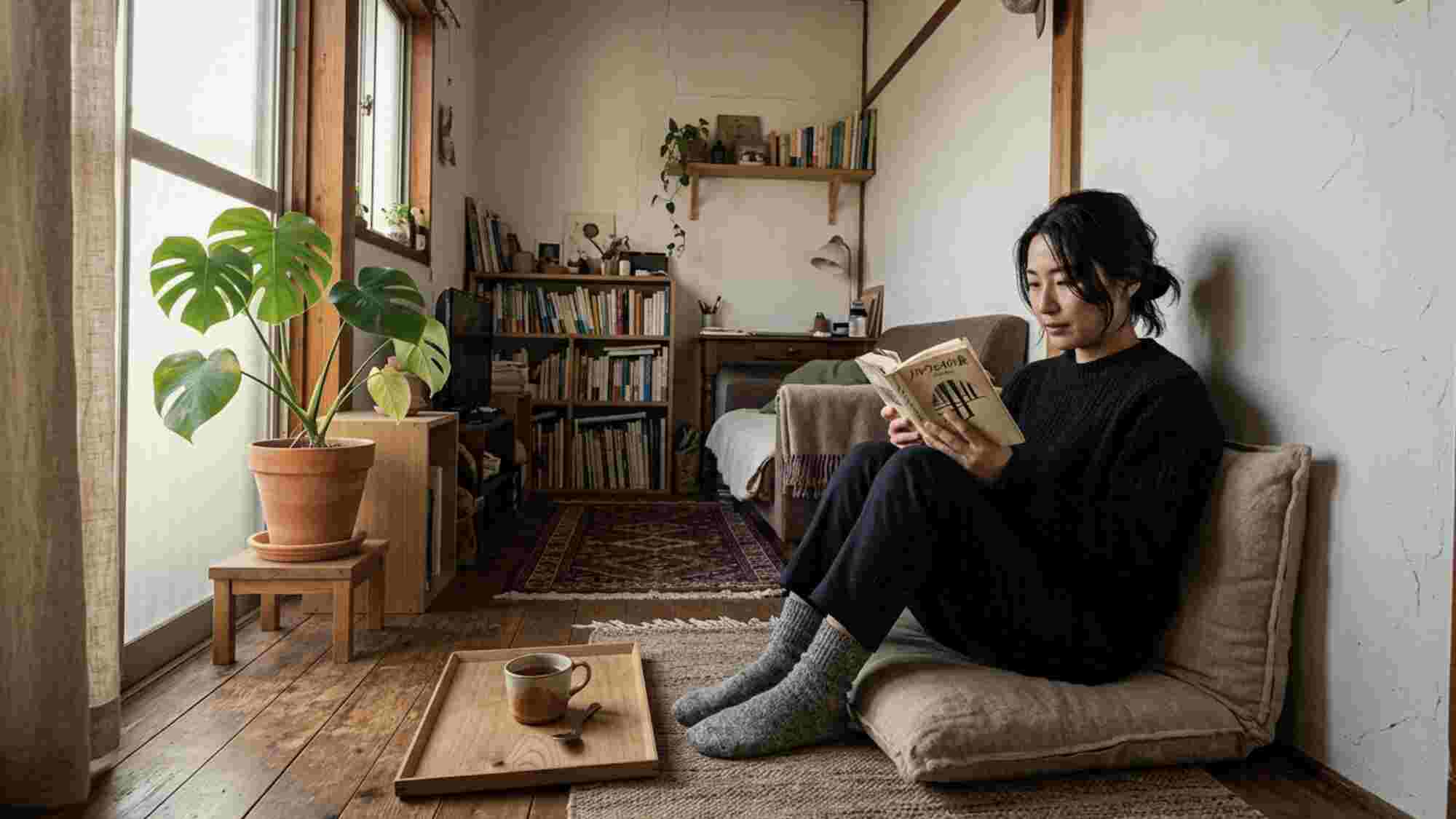
There is something about a Japandi small apartment that makes you want to exhale slowly. The low furniture, the soft neutrals, the sense that nothing in the space is fighting for your attention. It feels restful in a way that is hard to explain until you are standing in it.
If you have been scrolling through home decor accounts and keep saving the same kind of pictures, you probably already love this style without knowing it had a name. Japandi is a blend of Japanese and Scandinavian design, and the reason it works so well is that these two traditions actually want the same things: simplicity, natural materials, calm colours, and spaces that feel intentional rather than cluttered.
It is one of the most liveable aesthetics around, and it translates beautifully into smaller homes.
The best part? Getting the Japandi look on a budget is genuinely possible. This is not one of those styles that requires a full renovation or a designer’s eye.
Most of what Japandi apartment decor asks of you is restraint, not replacement. You do not need to gut your space or spend a lot of money. A few deliberate choices, some careful editing, and an understanding of what the style is actually built on will take you most of the way there.
This guide walks you through exactly how to get the Japandi look in a small space, from the furniture and colours down to the way you arrange objects on a shelf, whatever your budget looks like right now.
Start by Understanding What Japandi Style Actually Is
Before buying anything, it helps to understand what you are going for.
Japanese design is rooted in the idea of wabi-sabi, which is a way of finding beauty in things that are imperfect, worn, or simple. A ceramic mug with an uneven glaze. A wooden shelf that shows the grain of the tree it came from. A room that has breathing space in it.
Scandinavian design, on the other hand, comes from a culture where winters are long and people spend a lot of time indoors. It prizes warmth, function, and the idea that everyday objects should bring you a small amount of joy. Nothing excessive, but nothing cold either.
Put them together and you get a look that is minimal but not sterile. Warm but not cluttered. Practical but still beautiful.
The key things that make a space feel Japandi are: a muted colour palette, natural textures, low-profile furniture, visible craftsmanship, and a sense that every object has been chosen on purpose.
That last one matters more than anything else.
Declutter First. Seriously, Do This First.
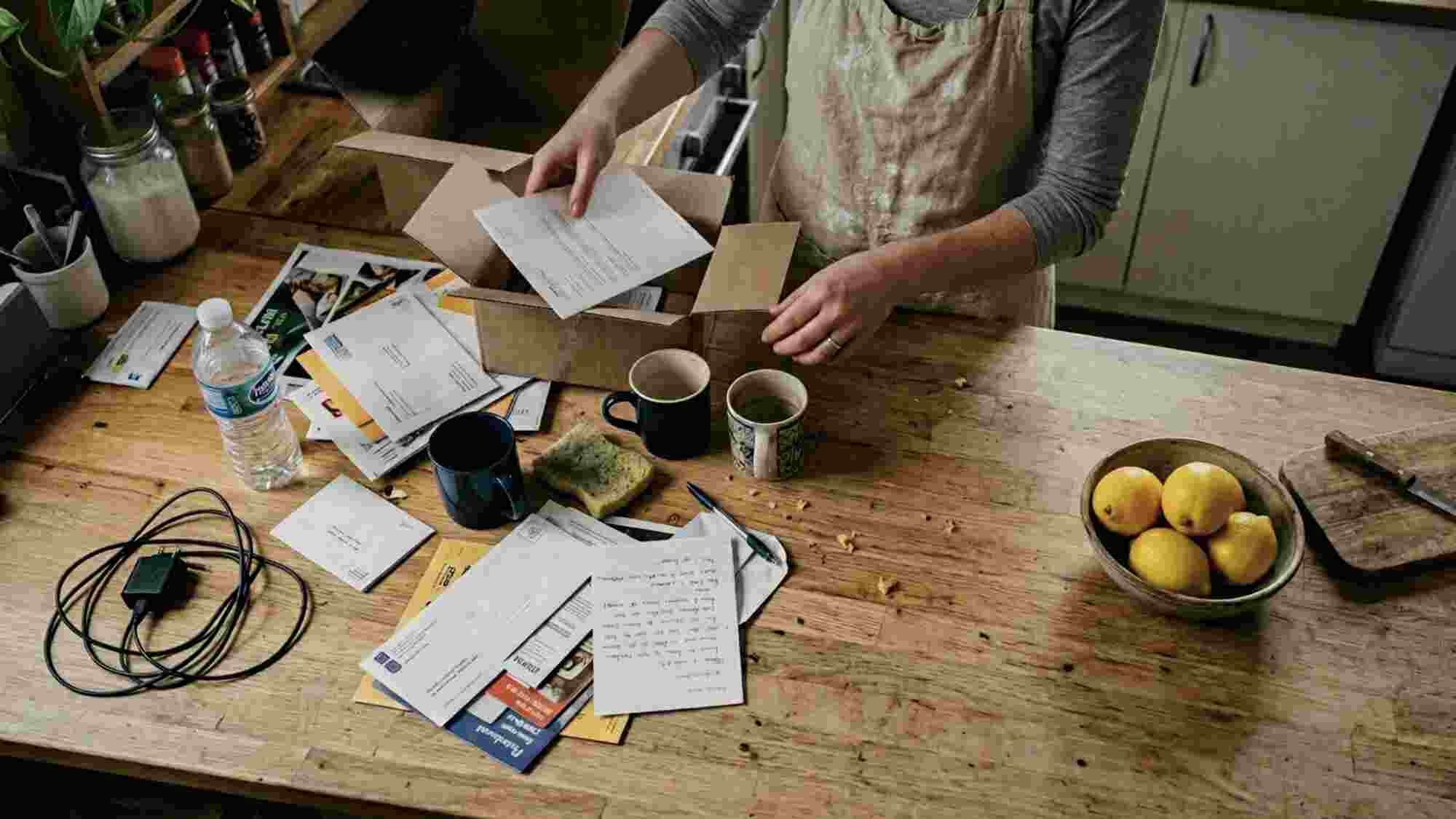
No amount of bamboo trays or linen cushions will make your apartment look Japandi if it is full of stuff. The style is built on negative space, which just means the empty parts of a room are as important as the filled parts.
This does not mean your home has to look like a show apartment. It means going through what you have and asking a simple question: does this thing earn its place here?
Start with surfaces. Clear your countertops, your shelves, your windowsills. Then put back only the things you use regularly or genuinely love. The rest can go into storage, be donated, or be sold.
In a small apartment, clutter does not just look messy, it makes the space feel smaller. Clearing it out costs you nothing and immediately changes how the room feels. It is the single most impactful thing you can do before spending a single coin on the actual aesthetic.
Build Your Colour Palette Around Nature.
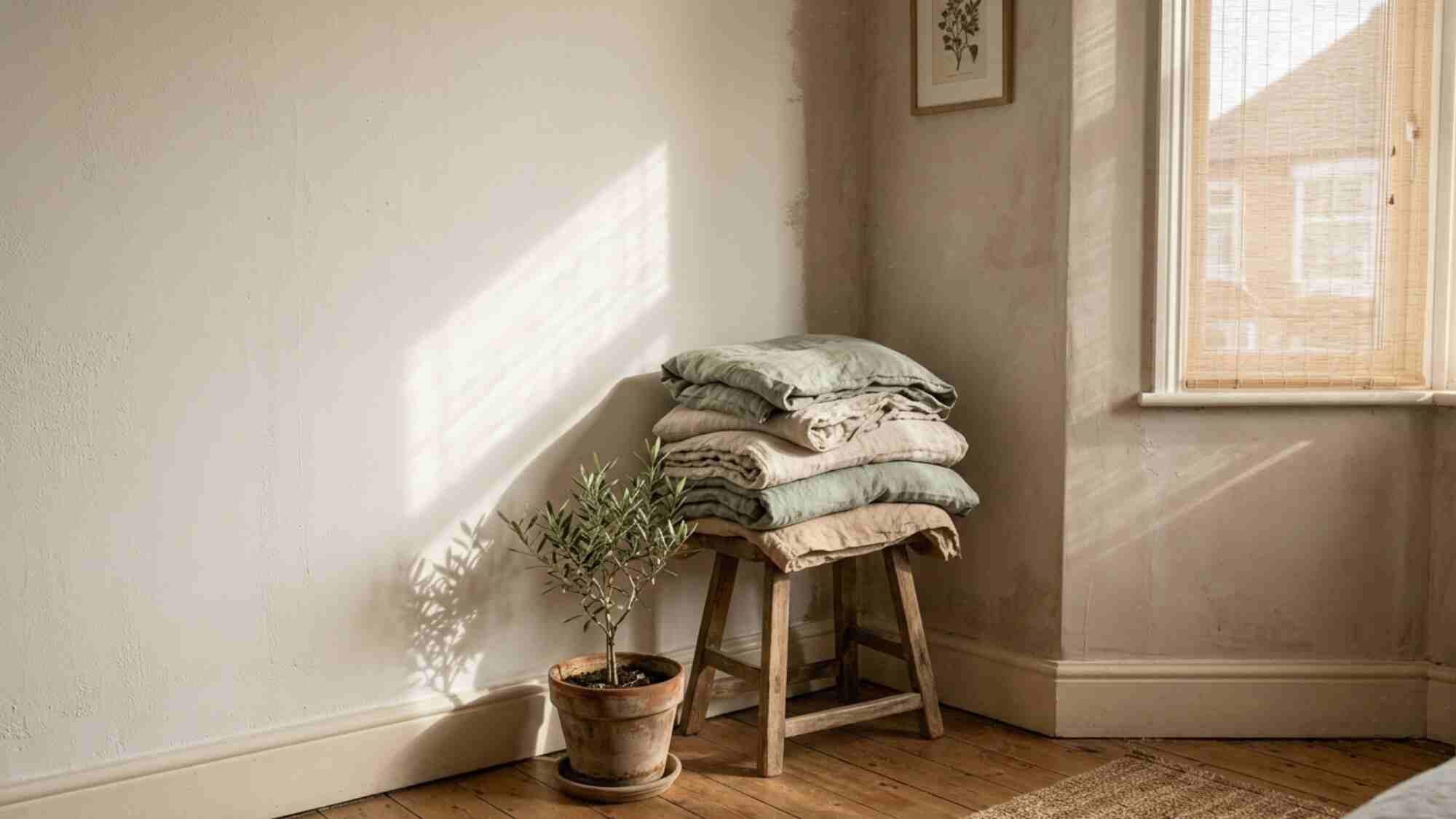
Japandi spaces use colours that look like they could exist outdoors: soft sand, warm grey, dusty taupe, off-white, muted green, clay, and dark charcoal. You will rarely see a bold primary colour in a Japandi room. When strong colour does appear, it tends to be earthy rather than bright, like deep terracotta or moss green.
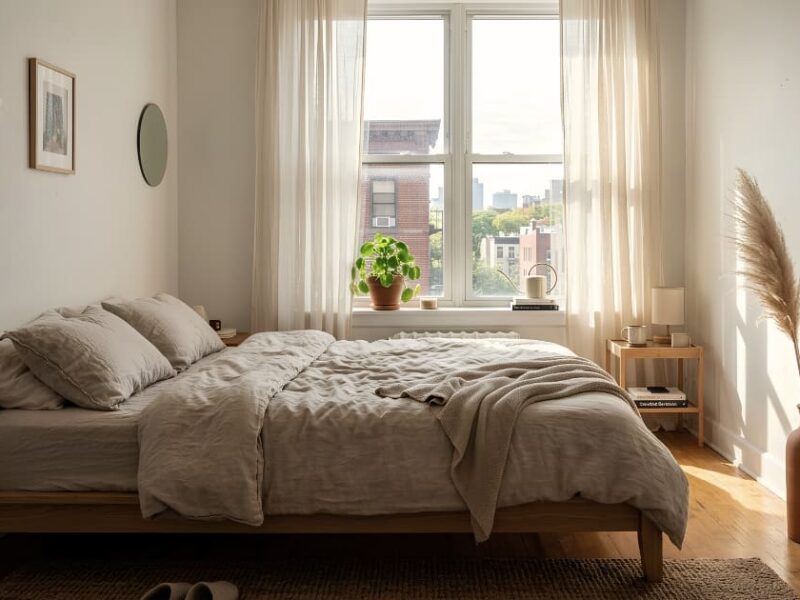
If you are renting and cannot paint, do not worry. Your colour palette lives in your textiles, furniture, and accessories. A set of warm beige linen curtains, a grey throw blanket, a terracotta pot, an off-white rug. These things shift the feeling of a room even when the walls are a landlord-approved shade of magnolia.
If you can paint, go for warm whites rather than cool ones. Cool white reads as clinical. Warm white reads as calm. Shades with names like linen, oatmeal, bone, or natural white tend to work well. A dark accent wall in charcoal or deep olive can add depth without overwhelming a small space.
Choose Furniture That Sits Low and Breathes.
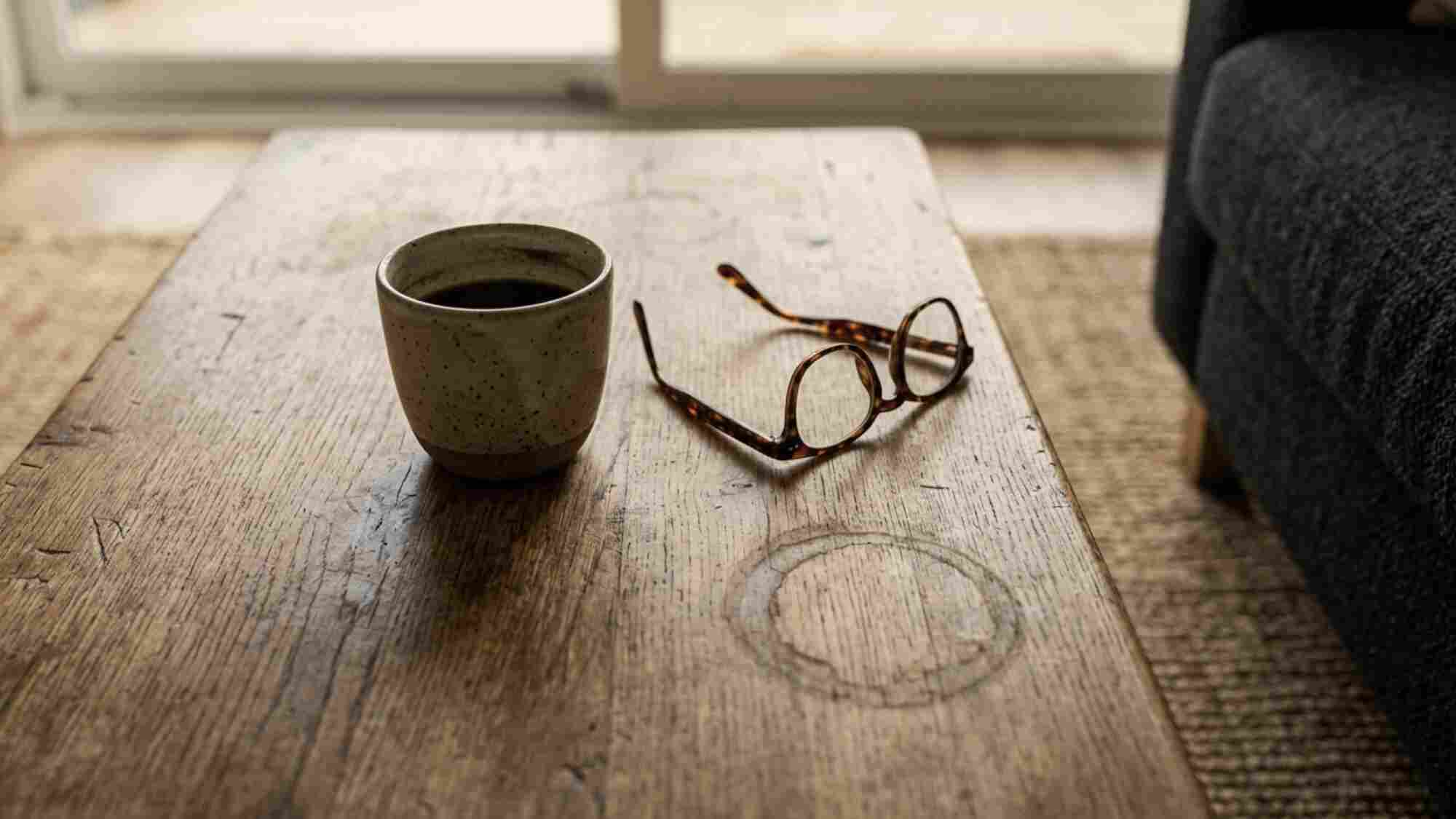
One of the most recognisable features of Japandi design is the furniture height. Low sofas, low beds, low coffee tables. In Japanese design tradition, living close to the ground creates a sense of groundedness and calm. In a small apartment, it also makes ceilings feel higher and rooms feel less cramped.
You do not need to throw out all your existing furniture to achieve this. But when you do replace pieces or add new ones, look for options with short, clean legs and simple silhouettes. Avoid ornate carvings, heavy arms on sofas, or anything that looks fussy.
If you are shopping on a budget, second-hand furniture is your best friend here. The Japandi aesthetic actually suits older, worn pieces better than shiny new ones, because of that wabi-sabi philosophy. A scuffed wooden coffee table with honest patina is more Japandi than a glossy flat-pack version.
Facebook Marketplace, Gumtree, and charity shops often have solid wood furniture for very little money. Look for pieces in oak, pine, walnut, or bamboo. Avoid anything that looks overly decorative or has lots of hardware.
Use Natural Textures Everywhere.
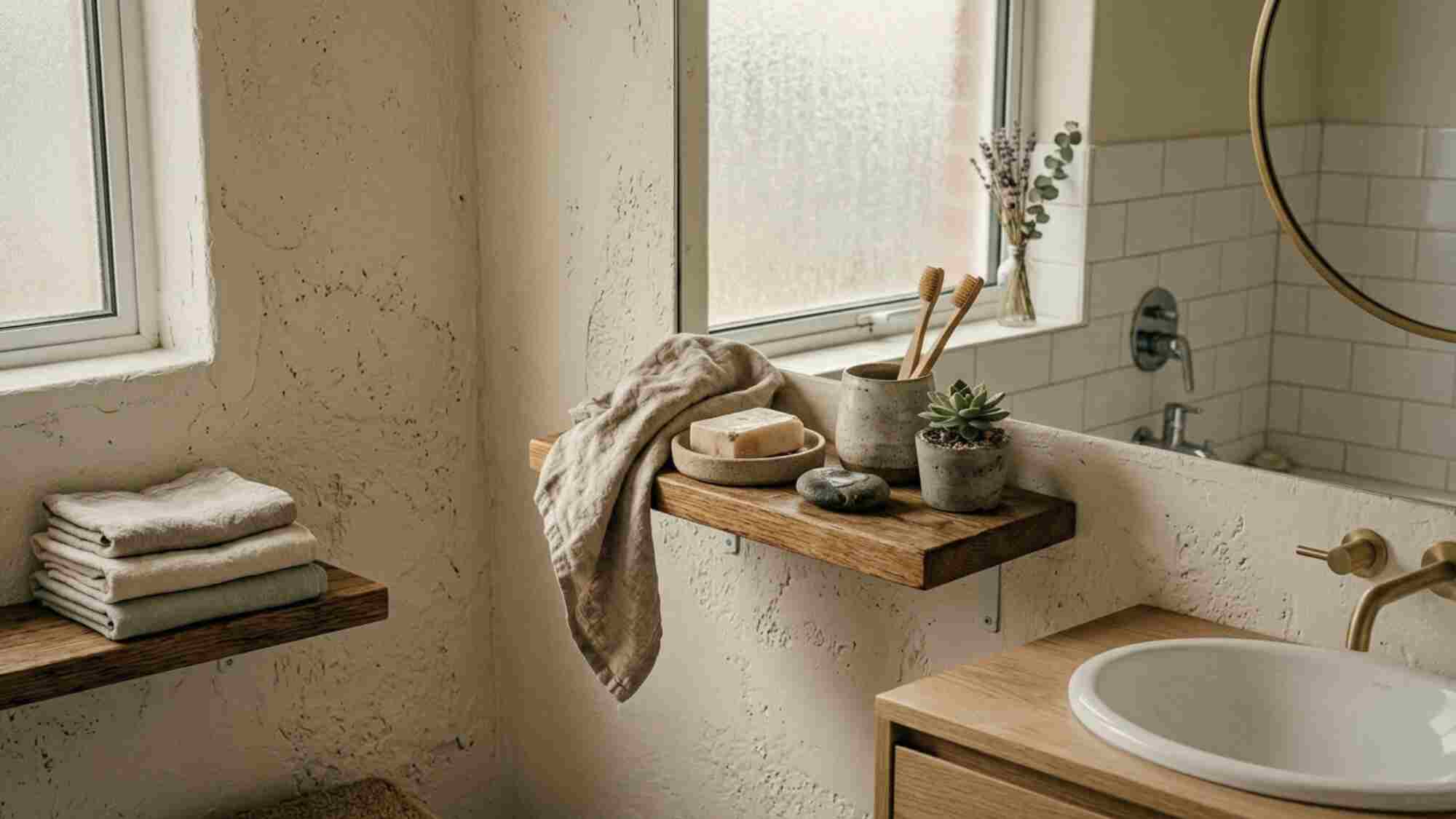
If colour is the background, texture is what gives a Japandi space its warmth. Without it, the neutral palette can tip into feeling cold or empty. The textures you want are the ones that come from natural materials: rough-weave linen, knotted cotton, smooth wood, unglazed ceramic, woven rattan, smooth river stone.
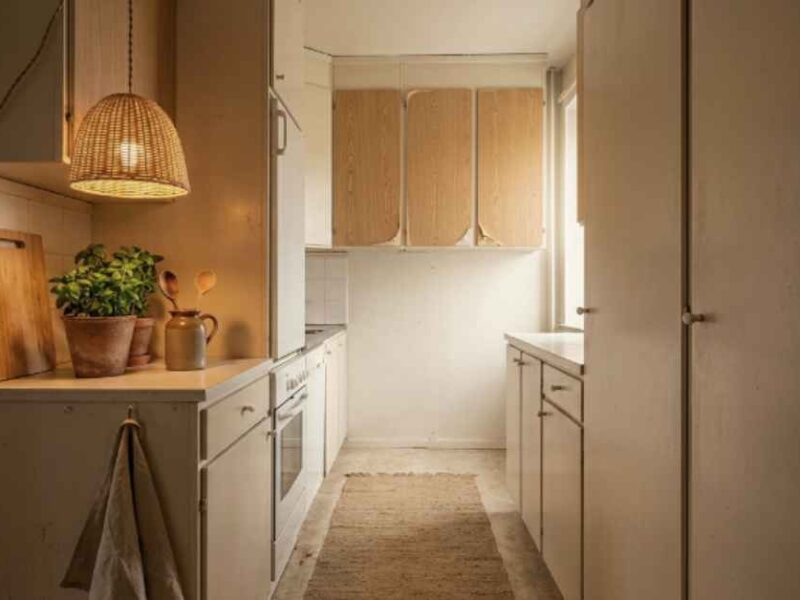
These do not need to be expensive. A jute rug from a budget homeware shop. A linen cushion cover from a market stall. A plain clay pot for your plant. A wooden chopping board left out on the counter because it is beautiful enough to display. A ceramic soap dish in the bathroom that you picked because it was handmade-looking rather than mass-produced.
You are building a tactile story with these objects. The room should feel like it would be pleasant to touch.
Avoid plastic, chrome, or anything that reads as synthetic. These materials are not inherently bad, but they work against the warmth that Japandi spaces are built on. Where you cannot avoid them, try to keep them out of sight or balance them with enough natural material that they do not dominate.
Let Light Do the Heavy Lifting.
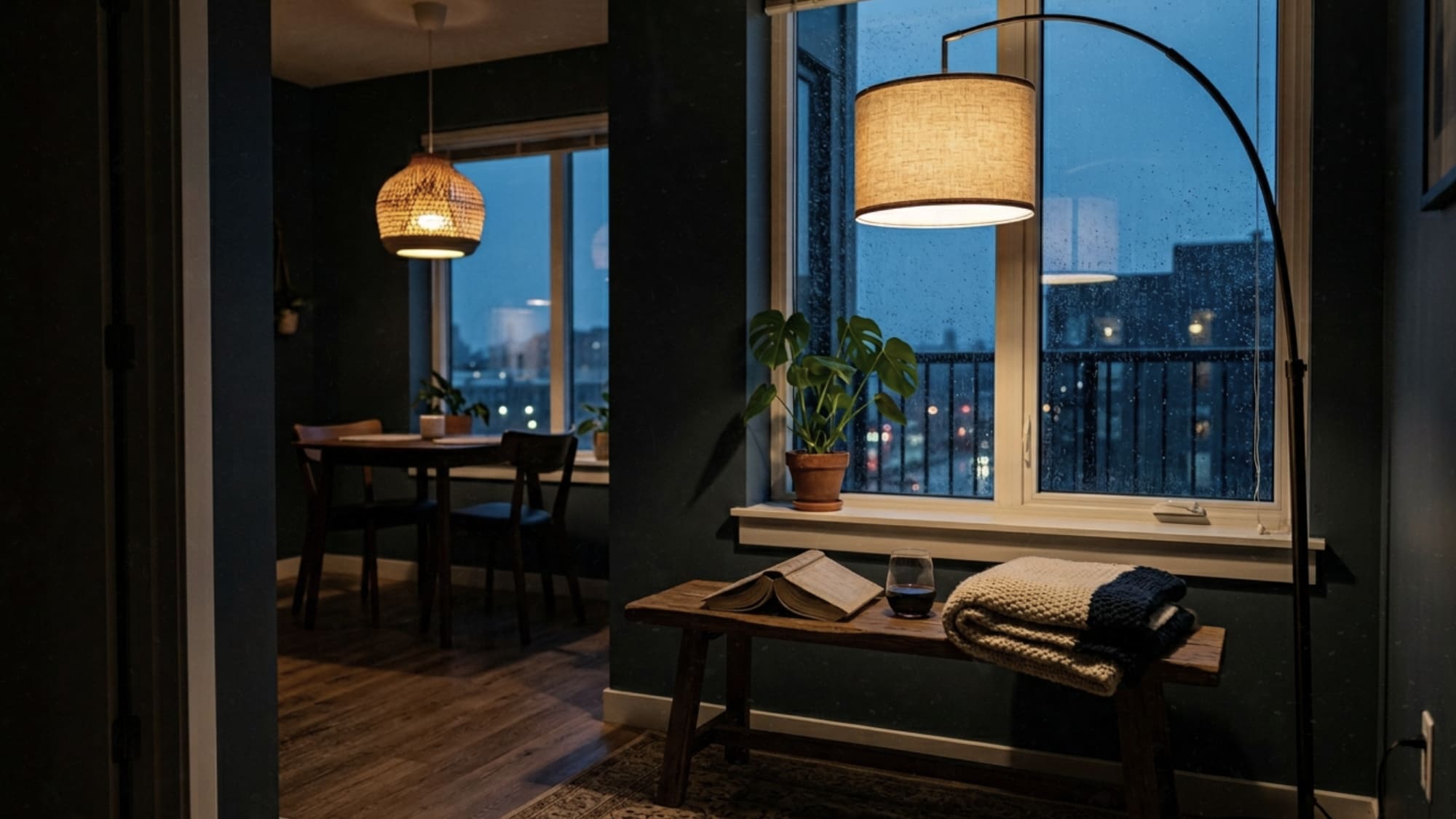
Japandi spaces tend to be bathed in soft, diffused natural light. In small apartments this is not always easy, but there are things you can do.
First, keep windows as clear as possible. Heavy curtains block the light and make rooms feel smaller. Swap them for sheer linen panels or light cotton if you can. Roller blinds in a neutral fabric also work well and take up less visual space than curtains.
For artificial lighting, avoid harsh overhead lights where possible. A single ceiling bulb in the centre of a room creates flat, unflattering light that flattens the space. Instead, use floor lamps, table lamps, and wall lights to create pools of warm light at different heights. Warm white bulbs (around 2700K) read as golden and comfortable. Cool white bulbs read as harsh.
Paper lampshades, rattan pendant lights, and simple linen shades all fit the aesthetic without costing much. A good lamp can transform the feeling of a room in the evening more than almost anything else.
Bring in Plants, but Keep It Simple.
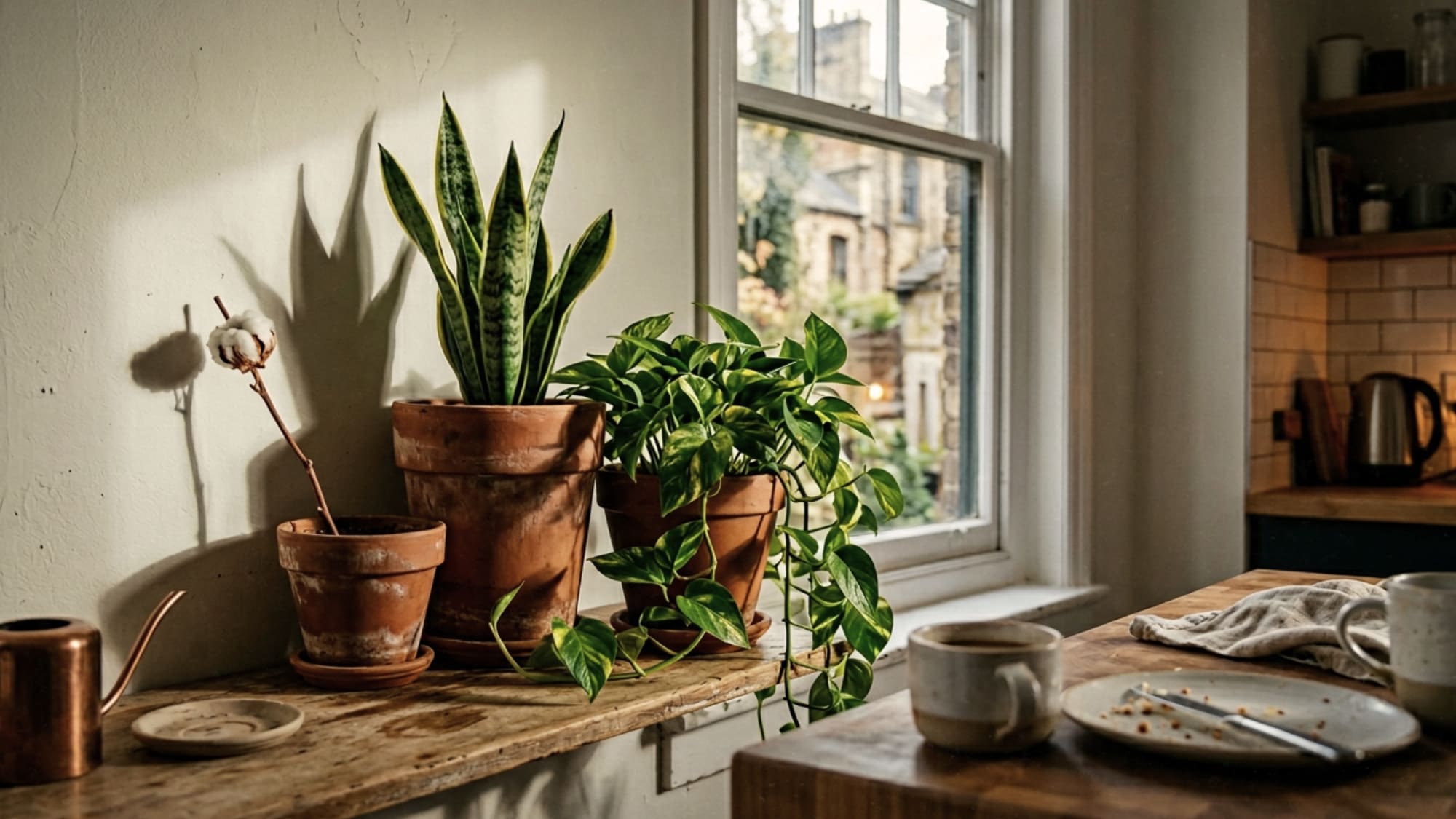
Plants belong in a Japandi space. They bring life, texture, and a connection to the natural world. But the style is selective about which plants and how many.
You are not going for a jungle aesthetic. You are going for a few well-placed, healthy plants that feel considered rather than accumulated. A single large fiddle-leaf fig in a corner. A small bonsai on a shelf. Three terracotta pots of different heights grouped on a windowsill. An olive tree in a white ceramic pot by the door.
Sculptural plants work especially well: ones with interesting shapes or strong silhouettes. Snake plants, monstera, olive trees, rubber plants, and ZZ plants are all good choices and most of them are easy to keep alive.
The pots matter as much as the plants. Go for ceramic, terracotta, or stone. Avoid plastic unless you are planning to decant into a better-looking outer pot. Keep the colours muted: white, cream, black, terracotta, sage.
Edit Your Shelves Like a Curator.
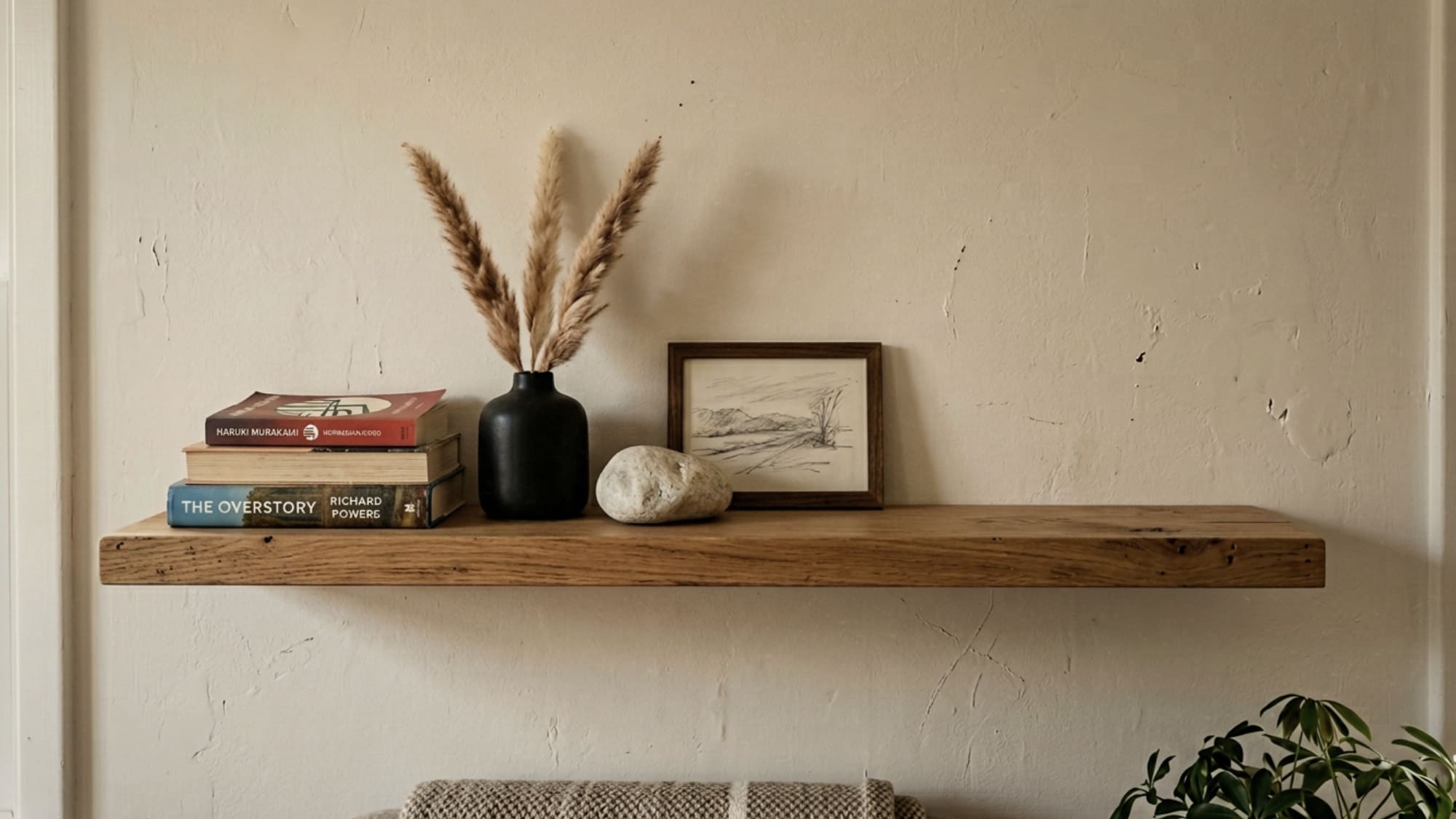
Open shelving is very common in Japandi homes, but the way things are arranged on those shelves is specific. You are not displaying everything you own. You are creating small, considered compositions.
A simple formula: group objects in odd numbers (threes tend to work best), vary the height within each grouping, and leave at least as much empty space as filled space on each shelf. Mix textures within a grouping: a ceramic vase next to a wooden bowl next to a small plant, for example.
Books are fine, but too many in a row can look cluttered. If you have a lot of books, try storing some and keeping only the most-used or best-looking ones visible. Turning a few spine-inward adds a subtle, editorial touch.
Avoid souvenirs, trinkets, and knick-knacks unless they are genuinely beautiful to you. Sentimental clutter is still clutter. If something is important to you, find it a deliberate home. If it does not have a place, question whether it needs to be on display at all.
DIY Touches That Cost Almost Nothing.
Some of the most Japandi-feeling additions to a home are things you can make or do yourself.
Decant your bathroom and kitchen products into plain bottles and containers.
A row of clear or white dispensers instead of a collection of colourful branded bottles immediately calms a surface down.
Frame dried botanical prints or simple ink drawings in plain wooden frames. Even printed A4 art from free online sources can look beautiful with the right frame.
Bundle dried grasses, pampas, or eucalyptus branches into a simple ceramic vase. This kind of arrangement costs very little and adds warmth and texture immediately.
Sand and oil an old piece of wooden furniture to bring out the grain and give it new life. The natural wood finish suits the aesthetic far better than painted or laminated surfaces.
Make a simple tray from materials you already have and use it to corral the small objects on your surfaces: keys, candles, a small plant. A tray creates instant visual order.
The Mindset Is the Style.
This is the part that no shopping list can give you.
Japandi is not really a collection of objects. It is a way of making choices. Every time you bring something new into your home, you are choosing to give it space. That means something else might need to go. It means asking whether you genuinely need a thing or whether you are buying it to fill a gap that better design could fix.
When you live in a small apartment, you feel the weight of your possessions more directly. There is less room to hide things, less space to absorb new additions without the room feeling overfull. Japandi works so well in small spaces because it takes that constraint and turns it into an aesthetic.
You do not have to buy the perfect sofa or replace your flooring or save up for handmade ceramics from a boutique shop. The most Japandi thing you can do right now is clear a surface, put one beautiful thing on it, and leave space around it so you can actually see it.
Start there. The rest will follow.
Budget summary: The cheapest version of this look involves mostly editing what you have, shopping second-hand for furniture, and adding natural textures slowly over time. A linen cushion cover, a terracotta pot, a jute rug, and some dried grasses can shift the feeling of a room for under the price of a takeaway dinner. The most expensive version is still one of the more affordable aesthetics in home design, because it actively works against accumulation. Either way, you are not buying more. You are buying better, and less.
6 thoughts on “Japandi Small Apartment Decor: 12 Ideas on Any Budget”