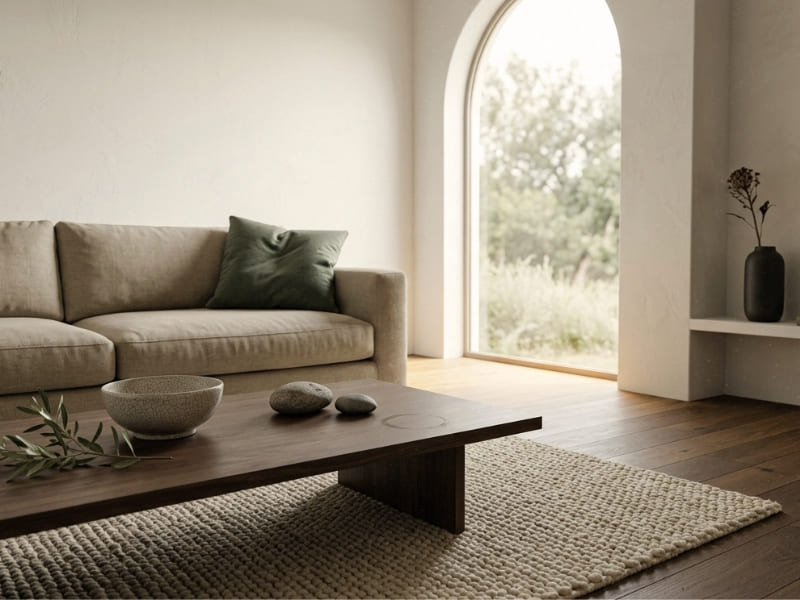
Japandi, Scandinavian, and minimalist design all look calm, clean, and quietly beautiful at first glance, so it is easy to assume they are basically the same thing with different names.
But spend a little more time with each one, and you start to notice that they have very different personalities, different values, and very different answers to the question of what a home should feel like.
If you have been trying to figure out which style actually speaks to you, this guide will walk you through all three in plain, honest terms, no interior design degree required.
Why People Get Confused in the First Place
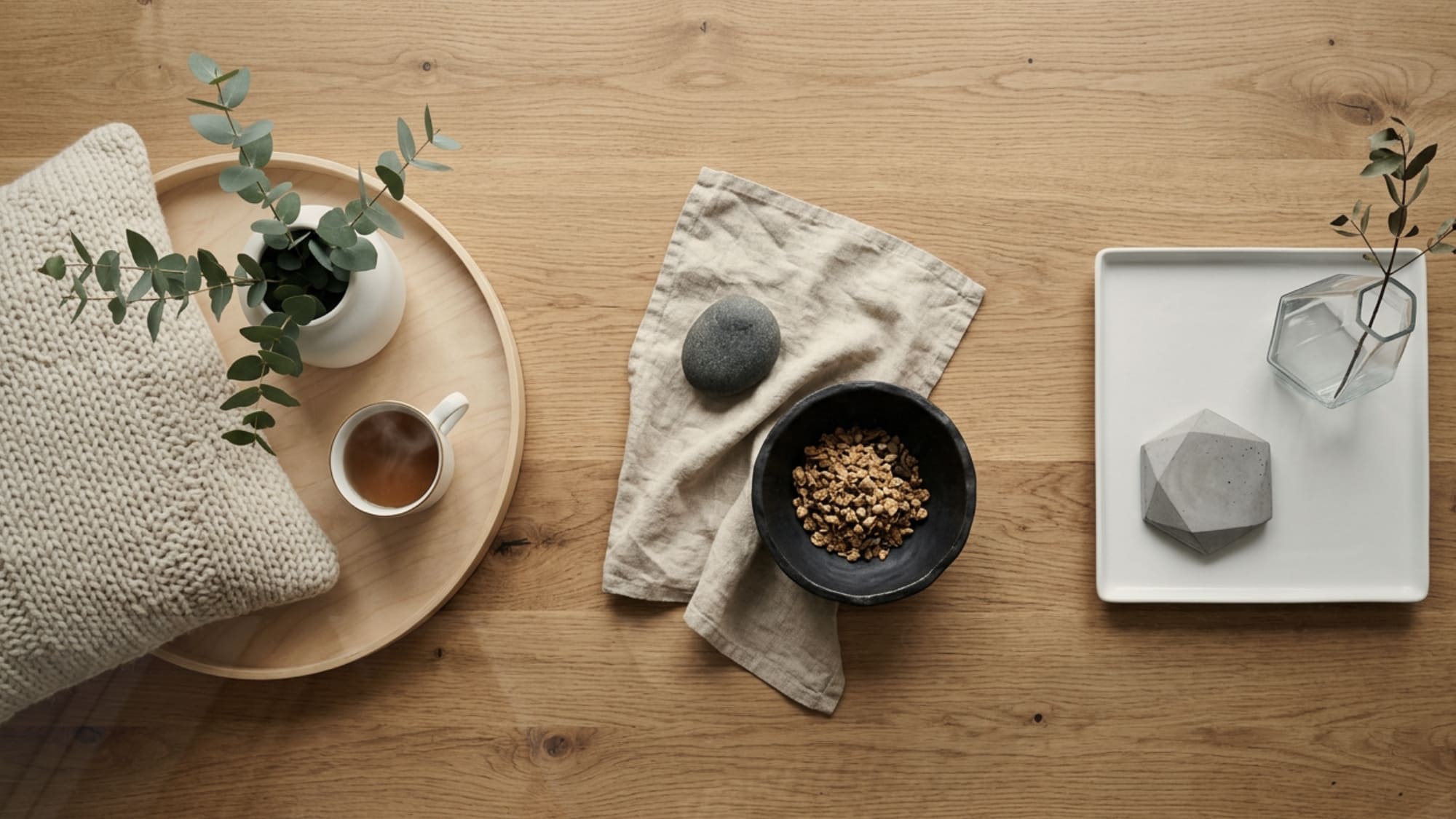
The confusion is completely understandable. All three styles share certain visual habits: neutral colours, clean lines, natural materials, and a strong preference for spaces that do not feel cluttered or overwhelming.
When you scroll through Pinterest or walk through a furniture showroom, rooms styled in any of these three approaches can look almost identical at a glance.
But the similarities are mostly surface level. Underneath the look, each style comes from a completely different place, emotionally and culturally.
Once you understand where each one comes from and what it is really trying to do, choosing between them becomes much easier, and your home starts to feel more intentional rather than just “nice and tidy.”
Scandinavian Design: The Original Feel-Good Aesthetic
Scandinavian design, sometimes called Nordic design, developed in countries like Sweden, Denmark, Norway, and Finland over the course of the twentieth century.
The climate in those countries is harsh and dark for much of the year, and that fact shaped everything about how people designed their homes.
When the sun barely shows up for months at a time, warmth inside the house matters enormously. Light, both natural and artificial, became a design priority. So did comfort.
The Scandinavian philosophy is built around a concept most people know by its Danish name: hygge. Hygge (pronounced roughly like “hoo-ga”) is the feeling of coziness, warmth, and togetherness.
It is the pleasure of a candle burning on a dark evening, a thick blanket on the sofa, good food shared with people you like. Scandinavian design tries to create spaces that hold that feeling.
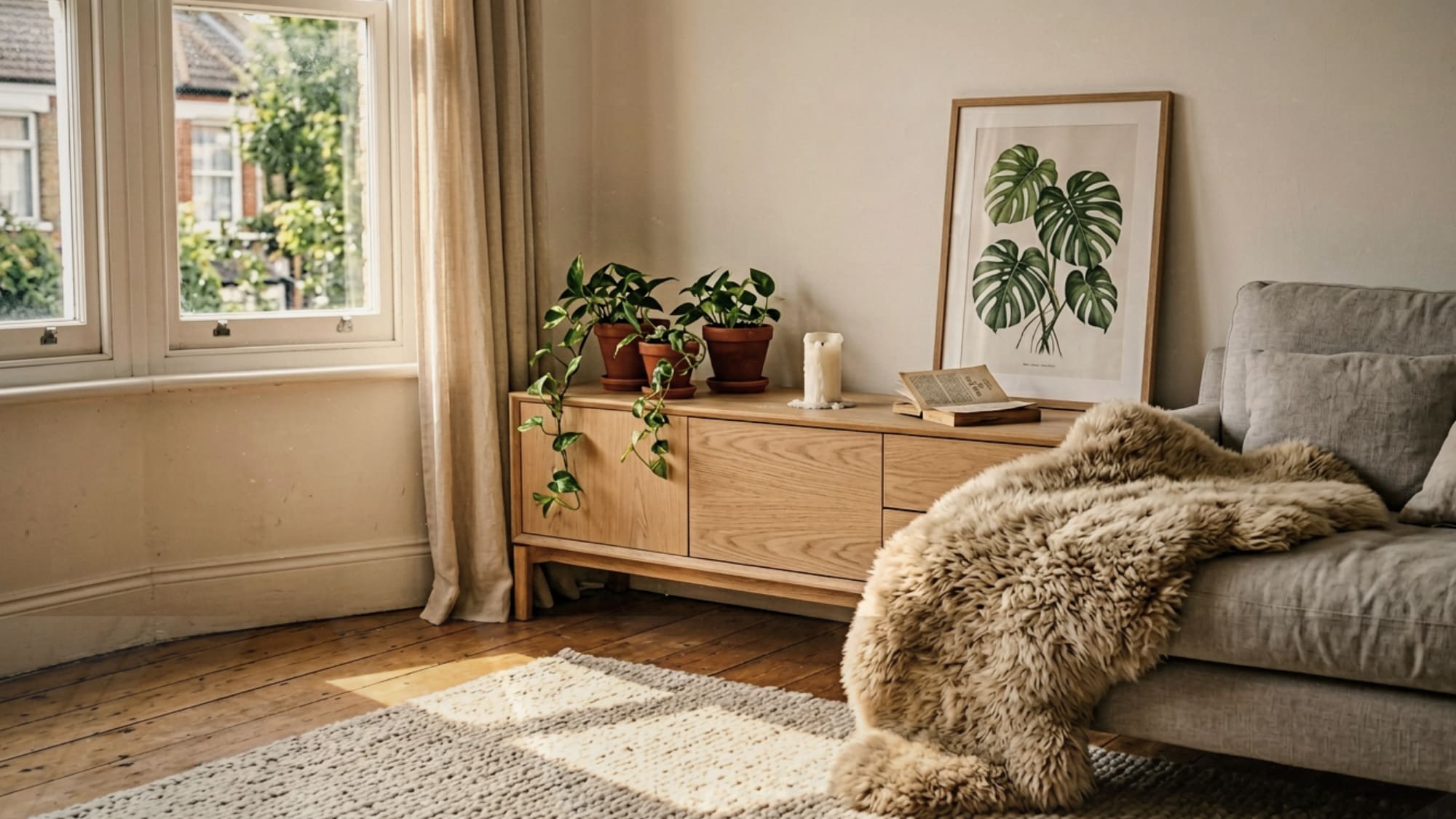
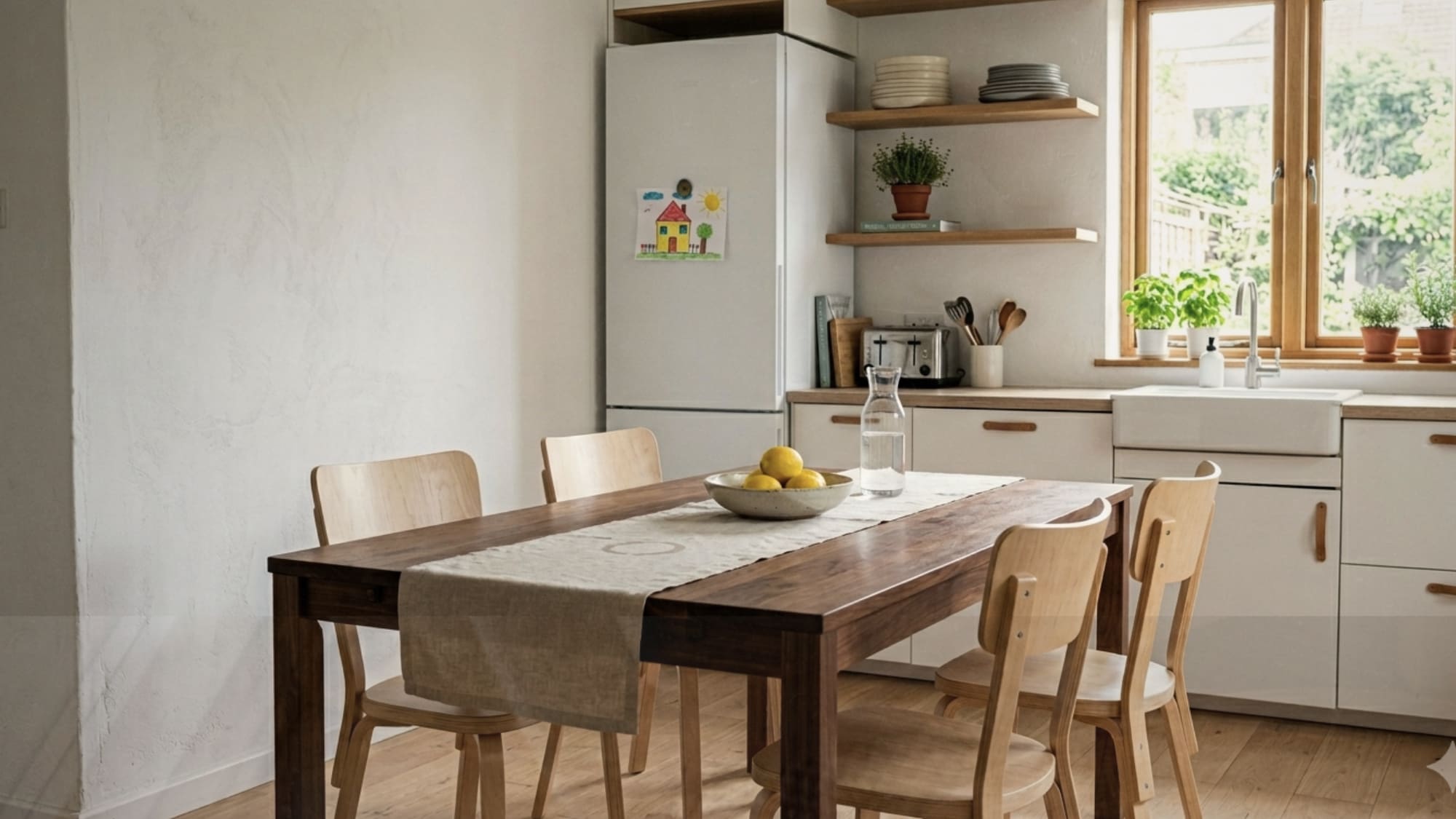
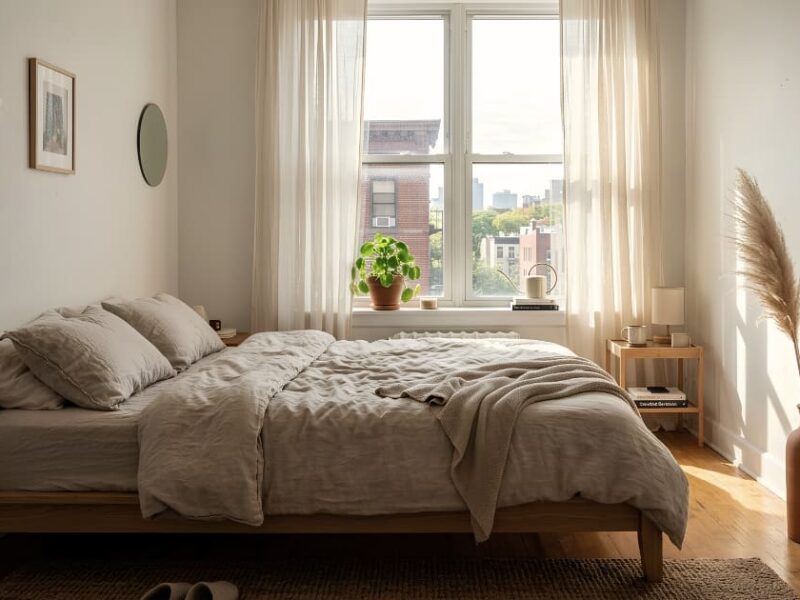
This is why, even though Scandinavian rooms look simple and uncluttered, they do not feel cold. They feel inviting. There are soft textures everywhere: sheepskin throws, knitted cushions, woven rugs in cream or grey or dusty pink.
The furniture tends to have gentle curves rather than harsh angles. Wood is used constantly, usually in lighter tones like birch, ash, or pine, because it brings warmth into a room without adding visual weight.
Colour in Scandinavian interiors is typically muted and light. White walls are almost a given, but they are rarely stark or clinical. The white is usually softened with warm undertones, and it is almost always broken up by natural wood, soft textiles, and plants.
Greenery is a big part of this style, because it brings life and energy into spaces that otherwise stay quite quiet.
Furthermore, Scandinavian design has always been democratic in spirit. The great Swedish furniture company IKEA is not an accident. The Nordic countries genuinely believed that good design should be accessible to everyone, not just the wealthy.
So the aesthetic tends to be practical and affordable, built around pieces that look beautiful but also work hard every day.
If Scandinavian design had a mood, it would be: warm, welcoming, and gently cheerful.
Minimalism: The Philosophy That Wants Less of Everything
Minimalism is a little harder to pin down, because it is not really a cultural style in the same way Scandinavian or Japandi are. Instead, it is a design philosophy, and in many ways it is a life philosophy too.
The core idea is simple: remove everything that is not necessary, and what remains will be more beautiful, more functional, and more freeing.
Minimalist design as we recognise it today grew out of several art and design movements in the twentieth century, particularly in Europe and the United States.
Figures like Mies van der Rohe, who said “less is more,” and later the Bauhaus movement shaped a way of thinking about space that valued function over decoration and clarity over abundance.
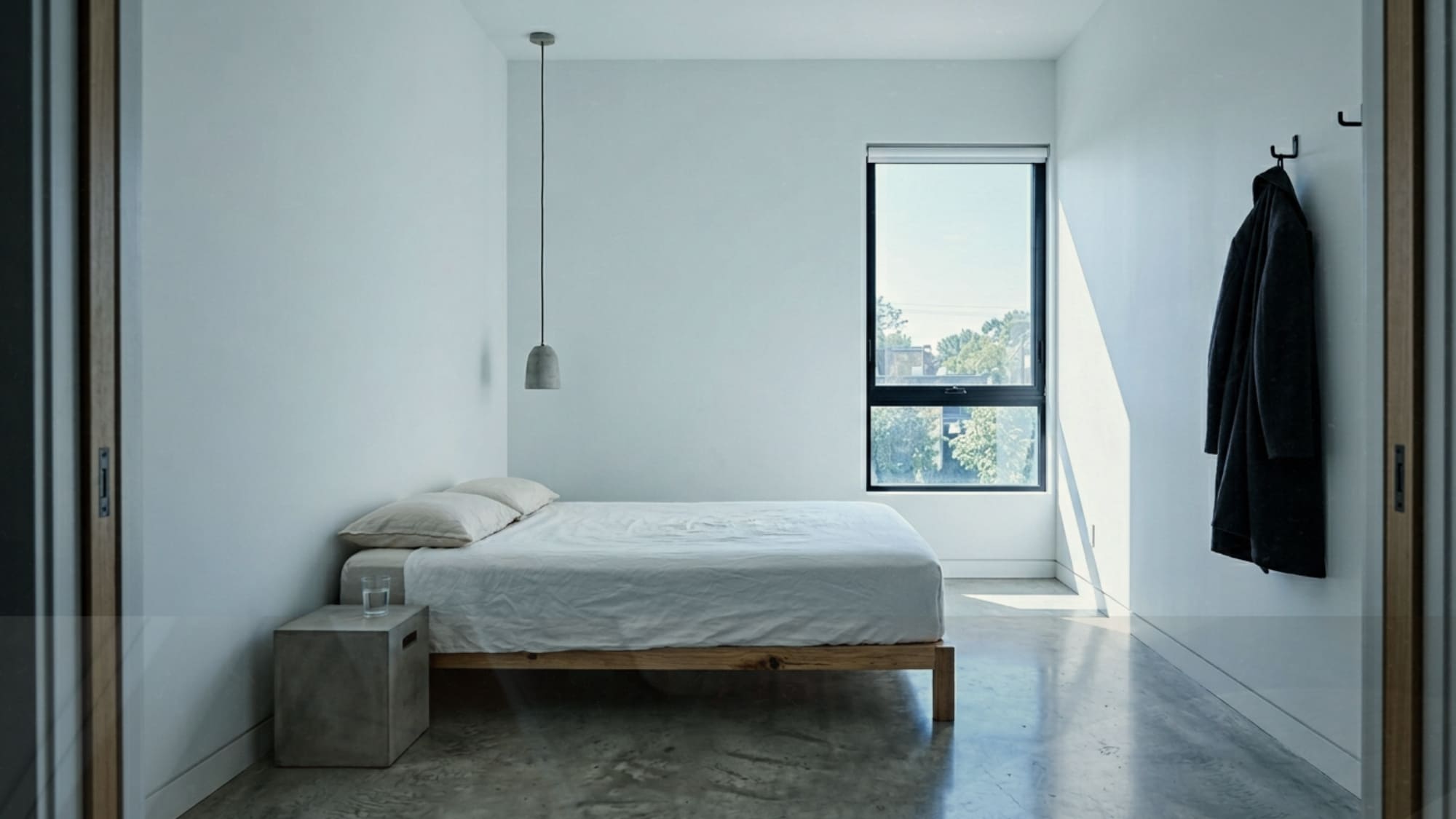
In practice, minimalist spaces are stripped right back. Walls are often pure white or a very pale, cool grey. Furniture is kept to a minimum, and every piece tends to have clean, geometric lines with very little ornamentation.
There are no decorative cushions unless they genuinely serve a purpose, no shelves lined with objects, no collections on display. The countertops are clear. The floors are uncluttered. Storage is hidden.
Interestingly, truly minimalist spaces require more thought, not less. Every single thing in the room has to earn its place. Colours are kept to a very tight palette. Materials are often hard: concrete, glass, polished stone, metal.
The effect can be stunning, especially in architecture and commercial spaces, but it can also feel quite austere in a home.
This is where minimalism sometimes struggles in real life. Living in a minimalist space is genuinely difficult for most people.
Children, pets, hobbies, books, and all the other evidence of a real human life tend to fight against it. Many people love the idea of minimalism and find the reality of it quite stressful.
However, minimalism as a principle, even if not taken to its extreme, has shaped almost all modern interior design. The push to simplify, to think carefully about what you bring into your home, and to value negative space (the parts of the room that are intentionally left empty) is something both Scandinavian and Japandi design have absorbed and made their own.
If minimalism had a mood, it would be: precise, quiet, and demanding.
Japandi: The Style That Actually Feels Like Both
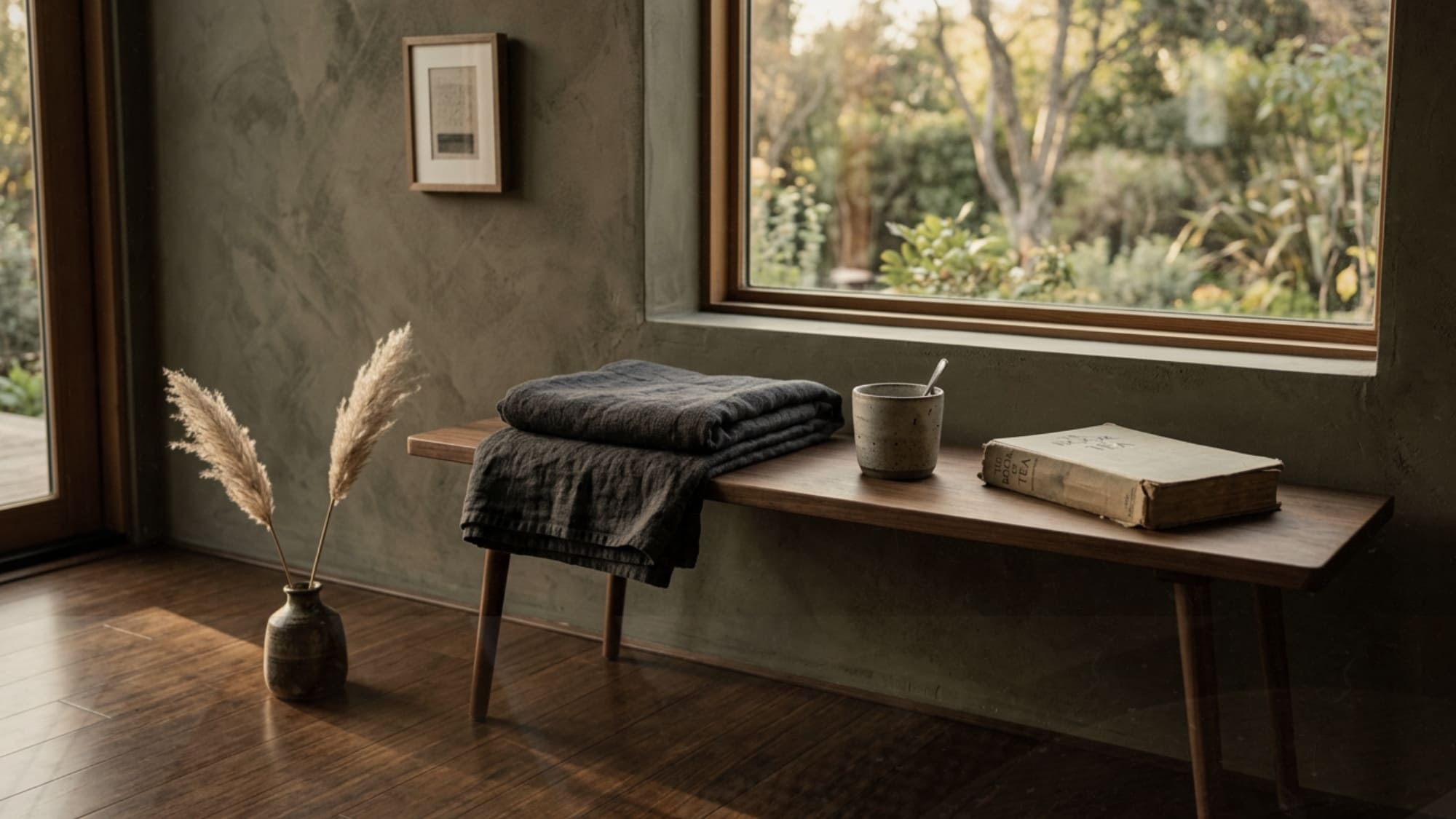
Japandi is a newer term, but the idea behind it is not really new at all. It describes the natural overlap between Japanese design principles and Scandinavian design principles, two traditions that developed independently on opposite sides of the world and yet arrived at remarkably similar conclusions.
The word itself is simply a blend of “Japan” and “Scandinavia,” and the style has become extraordinarily popular over the last decade, particularly among people who love the warmth of Scandinavian design but also want something a little more meditative, a little more intentional.
Japanese design draws heavily from wabi-sabi, the acceptance and appreciation of imperfection and impermanence. A ceramic bowl with an uneven edge is not a flaw in this worldview; it is evidence of the human hand, and therefore beautiful. If that idea resonates with you, it is worth going deeper on it. What is Wabi-Sabi Decor and How Do You Use It at Home? Wabi-sabi values things that are worn, aged, or imperfect. It is the opposite of sleek perfection.
Japanese design also draws from the concept of ma, which refers to meaningful empty space. In Western design, empty space is often treated as a problem to be solved, something to fill with furniture or decoration.
In Japanese design, empty space is intentional and valuable. The gap between things is as important as the things themselves.
When these ideas meet Scandinavian warmth and practicality, the result is Japandi. Both traditions share a love of natural materials, both value craftsmanship, and both believe that a beautiful home is one where every object is chosen thoughtfully.
But Japandi leans darker and more earthen than classic Scandinavian style. Where Scandinavian design reaches for light birch and white walls, Japandi tends toward darker woods like walnut or bamboo, and earthy tones like terracotta, sage, charcoal, and warm sand.
Japandi spaces also tend to feel quieter and more meditative than Scandinavian ones. The hygge warmth is still present, but it is a little more restrained.
There is more stillness to it. A Scandinavian living room might have a bright print cushion and a cheerful plant as a focal point. A Japandi living room might have a single ceramic vase on a low wooden shelf, and the beauty of that object is amplified precisely because there is nothing else competing for attention.
Textures in Japandi are also considered carefully. Linen, cotton, raw wool, stone, unfinished wood, handmade ceramics: these are the materials that speak the Japandi language.
Nothing shiny, nothing synthetic, nothing that feels mass-produced even if it actually was. The goal is to surround yourself with things that feel honest about what they are.
Additionally, Japandi is more comfortable with darkness than either classic Scandinavian style or minimalism. Dark walls, dark furniture, and pools of warm lamplight are entirely at home in a Japandi space. It is an aesthetic that is not afraid of shadow.
If Japandi had a mood, it would be: grounded, calm, and quietly profound.
The Key Differences, Side by Side
Now that all three styles are on the table, here is where they clearly part ways:
Warmth vs. Austerity: Scandinavian design is the warmest and most approachable. Japandi is warm but more restrained. Minimalism is the coolest and most demanding.
Colour Palette: Scandinavian spaces tend toward light, warm neutrals and soft whites. Japandi embraces darker earthy tones alongside neutrals. Minimalism typically uses a very tight palette of pure white, grey, and black.
Textures: Scandinavian interiors are heavily textural with layers of soft furnishings. Japandi uses texture through natural materials but with more restraint. Minimalist spaces tend to keep textures simple and surfaces smooth.
Imperfection: Wabi-sabi is central to Japandi and means that handmade, aged, or imperfect objects are desirable. Scandinavian design is more relaxed but still leans toward newer, cleaner pieces. Minimalism generally values perfection of form and finish.
Emotional Goal: Scandinavian design wants you to feel cozy and at home. Japandi wants you to feel calm and grounded. Minimalism wants you to feel free from distraction.
Livability: Scandinavian is probably the easiest to live in day to day. Japandi requires a little more thoughtfulness but is still very livable. True minimalism is beautiful but can be genuinely difficult to maintain in a home with real people in it.
Which One Is Right for You?
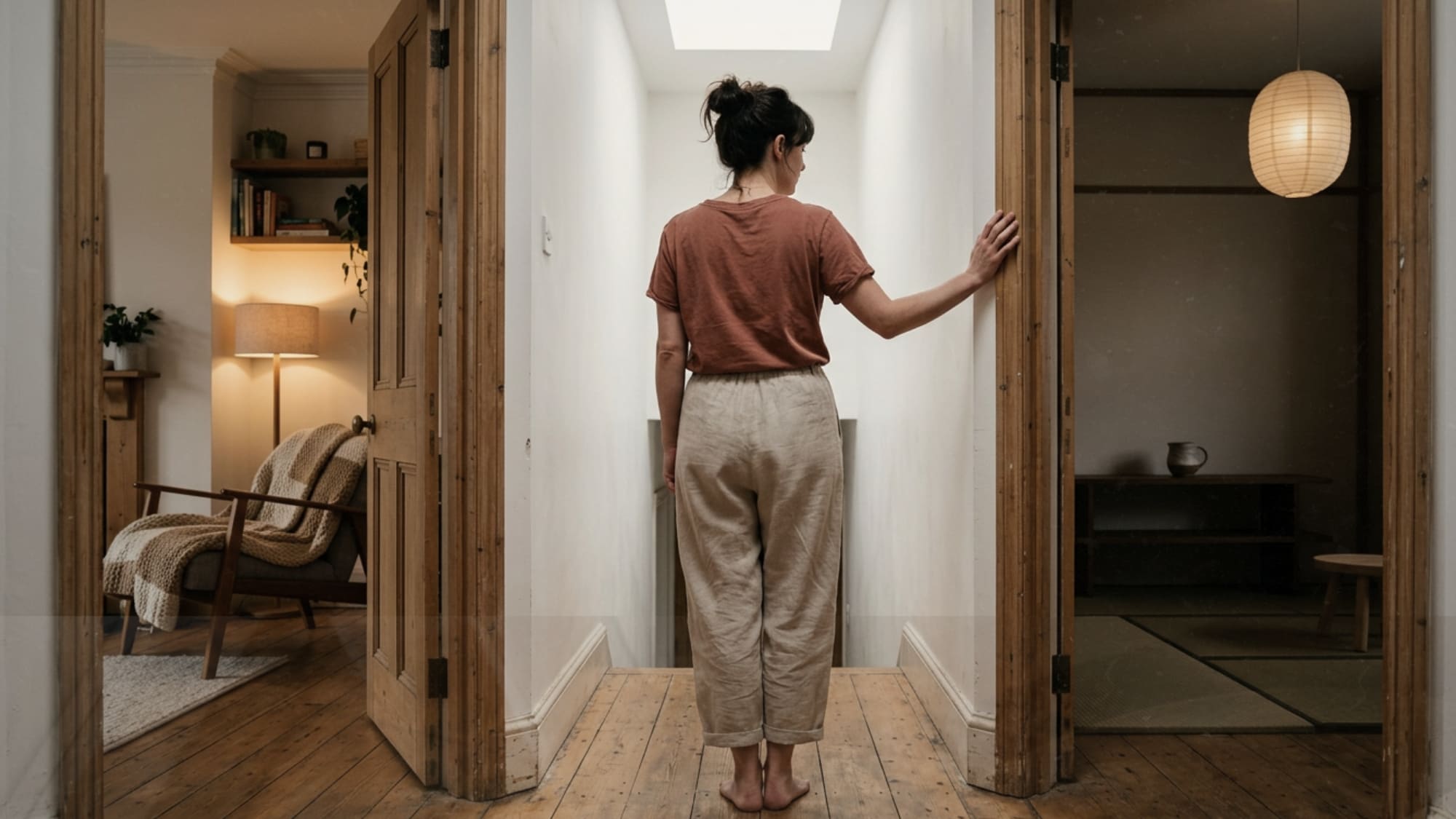
This is the question that actually matters. And honestly, the answer usually has very little to do with aesthetics.
Think about how you want to feel when you walk through your front door. If you want to feel like you are being wrapped in a warm hug, Scandinavian design is probably your answer.
Layer up the soft furnishings, let the candles out, plant some greenery on the windowsill, and stop apologising for the knitted blanket draped over the sofa.
On the other hand, if you want your home to feel like a place where you can actually exhale, where the visual noise of daily life falls away and you feel genuinely rested, then Japandi might be the right direction.
Be intentional about what you bring into the space. Choose fewer things, but choose them well. Give yourself permission to leave surfaces empty. Let a handmade mug or a beautiful stone bowl be the whole point of a shelf rather than just one item in a crowded lineup. If you want a practical starting point for bringing that feeling into your home, this is a great place to begin: How to Style a Japandi Reading Nook in a Tiny Corner
Meanwhile, if you are drawn to minimalism, be honest with yourself about how you live. A strictly minimalist home is stunning, but it requires real commitment. If you have children, or a creative hobby that generates physical stuff, or you simply love books, then pure minimalism might create more stress than peace.
However, borrowing minimalist principles, thinking carefully before you buy something, editing down what you already have, making peace with empty space, can make any home feel calmer without requiring you to live like a monk.
You Do Not Have to Choose Just One
One of the more liberating things about understanding these three aesthetics is realising that they are not mutually exclusive. Most real homes that feel genuinely beautiful and personal exist somewhere in the overlap.
You might have the warmth and textural layering of Scandinavian design, the earthy palette and intentional objects of Japandi, and the editing discipline of minimalism, all working together in the same room. That is not confusion; that is taste.
The labels are useful for understanding what you are drawn to and why, but they are not rules. Use them as a vocabulary, not a checklist.
A Final Thought
At the end of the day, all three of these styles are trying to solve the same basic problem: how do you create a home that feels like a refuge rather than just a container for your belongings?
They each have different answers, and those different answers suit different people, different climates, different ways of moving through the world.
Scandinavian design says warmth and togetherness will do it. Minimalism says that freedom from excess will do it. Japandi says that beauty found in simple, honest, imperfect things will do it.
Personally, I think there is truth in all three positions. And the most beautiful homes I have ever walked into were not perfectly adherent to any single style. They were spaces where someone had thought carefully about how they wanted to live, and had the confidence to build around that feeling rather than a trend.
That is the real lesson underneath all three aesthetics. Not the palette, not the furniture, not the specific principles. The lesson is: be intentional. Know what you want your home to feel like. Then build toward that, one honest choice at a time.
One thought on “Japandi vs Scandinavian vs Minimalist: What’s the Difference?”