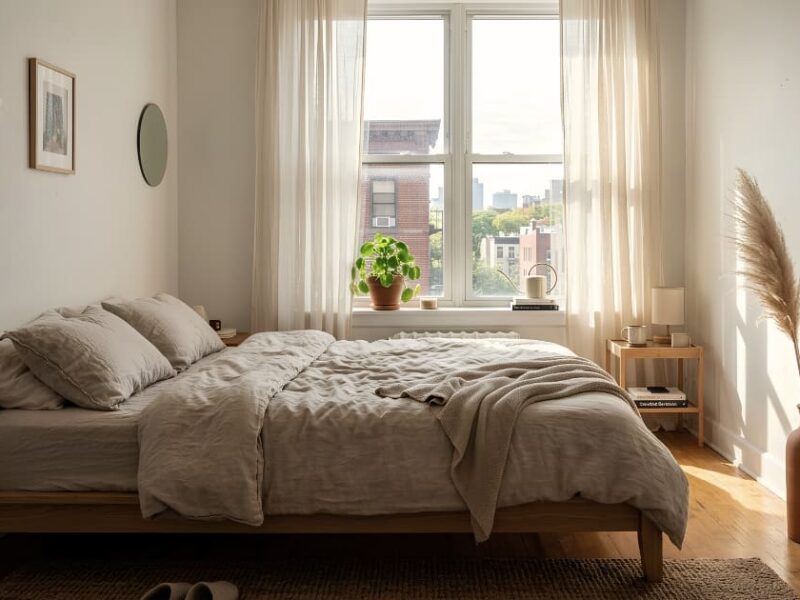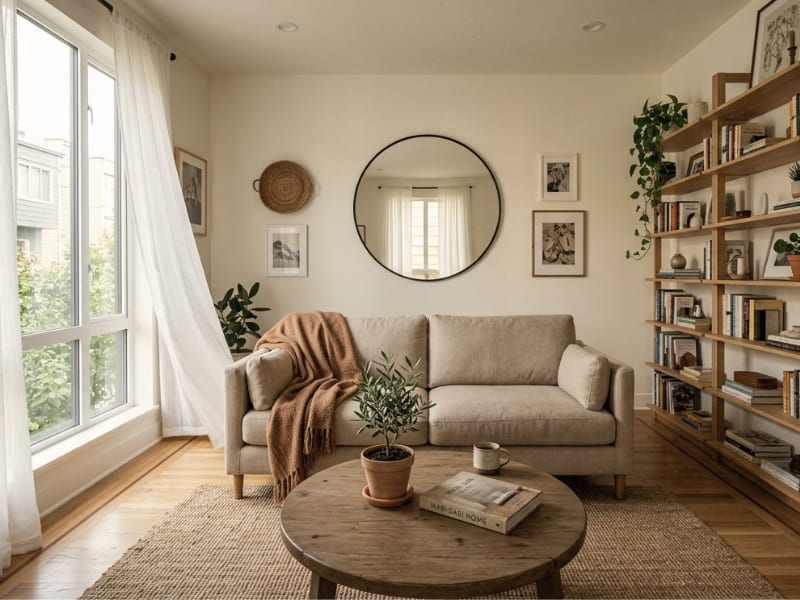
Small apartment living room ideas are everywhere online, yet most of them show perfectly staged rooms with zero clutter, zero personality, and zero real life.
So before we get into all 32 ideas, let me be upfront with you: a small living room does not have to feel like a compromise. With the right layout tweaks, furniture choices, and a few clever visual tricks, even the tightest space can feel open, calm, and genuinely comfortable.
Whether you are dealing with a studio, a one-bedroom with a tiny front room, or a converted space that was never meant to be a living room at all, these ideas are built for real apartments and real budgets.
Why Small Living Rooms Feel Smaller Than They Are
Before jumping into solutions, it helps to understand what actually makes a room feel cramped. Usually, it is not the square footage. It is too much furniture pushed against the walls, too many competing colors, poor lighting, and a lack of visual flow. Once you understand that, fixing it becomes a lot less overwhelming.
1. Start With a Light, Neutral Base Color
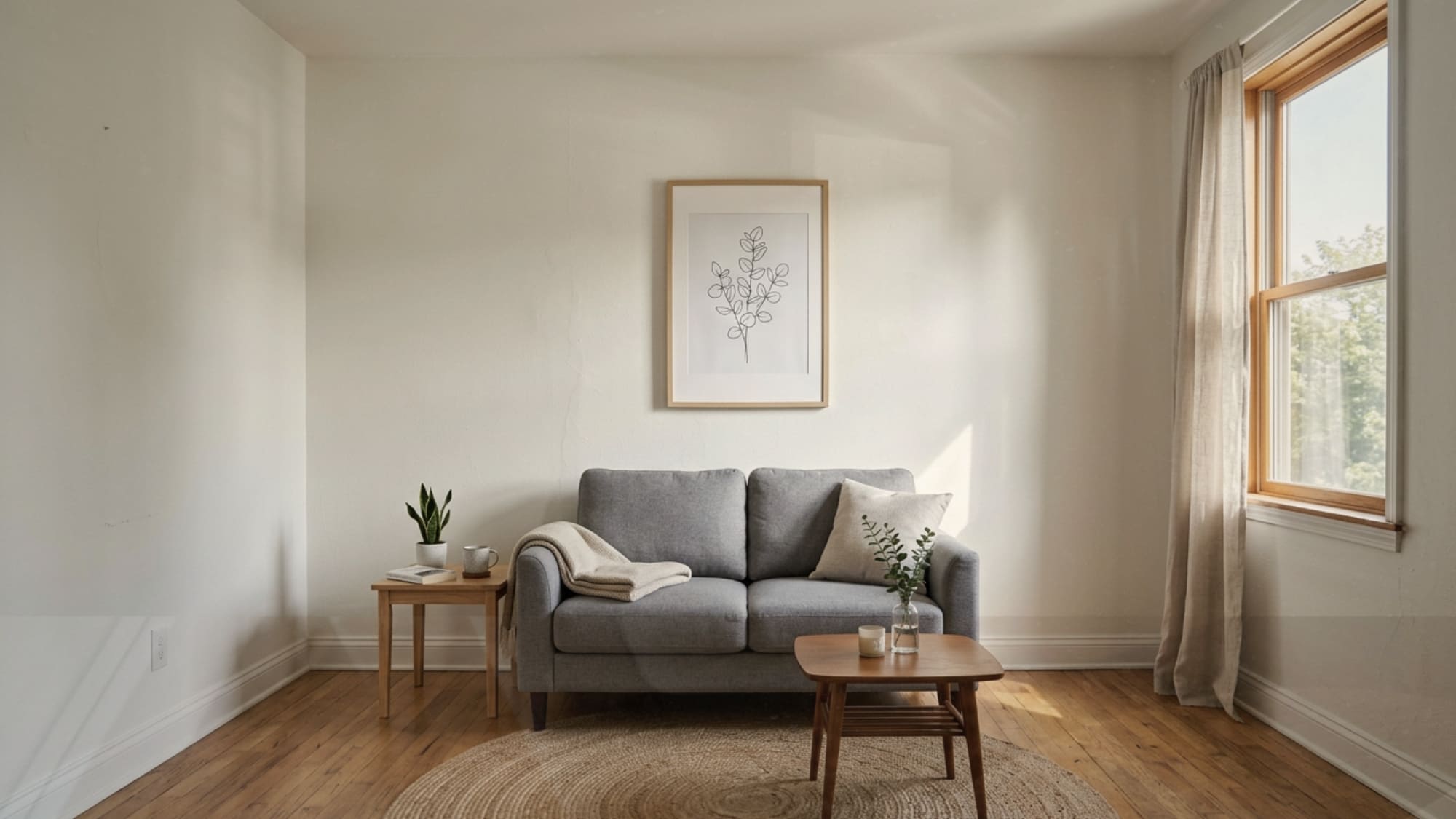
Paint is the cheapest fix in any room. A soft white, warm cream, or light greige on the walls immediately reflects more light and makes the walls feel further away. This does not mean your room has to be boring. Instead, think of the walls as a quiet backdrop that lets your furniture and accessories do the talking.
2. Use Furniture with Legs
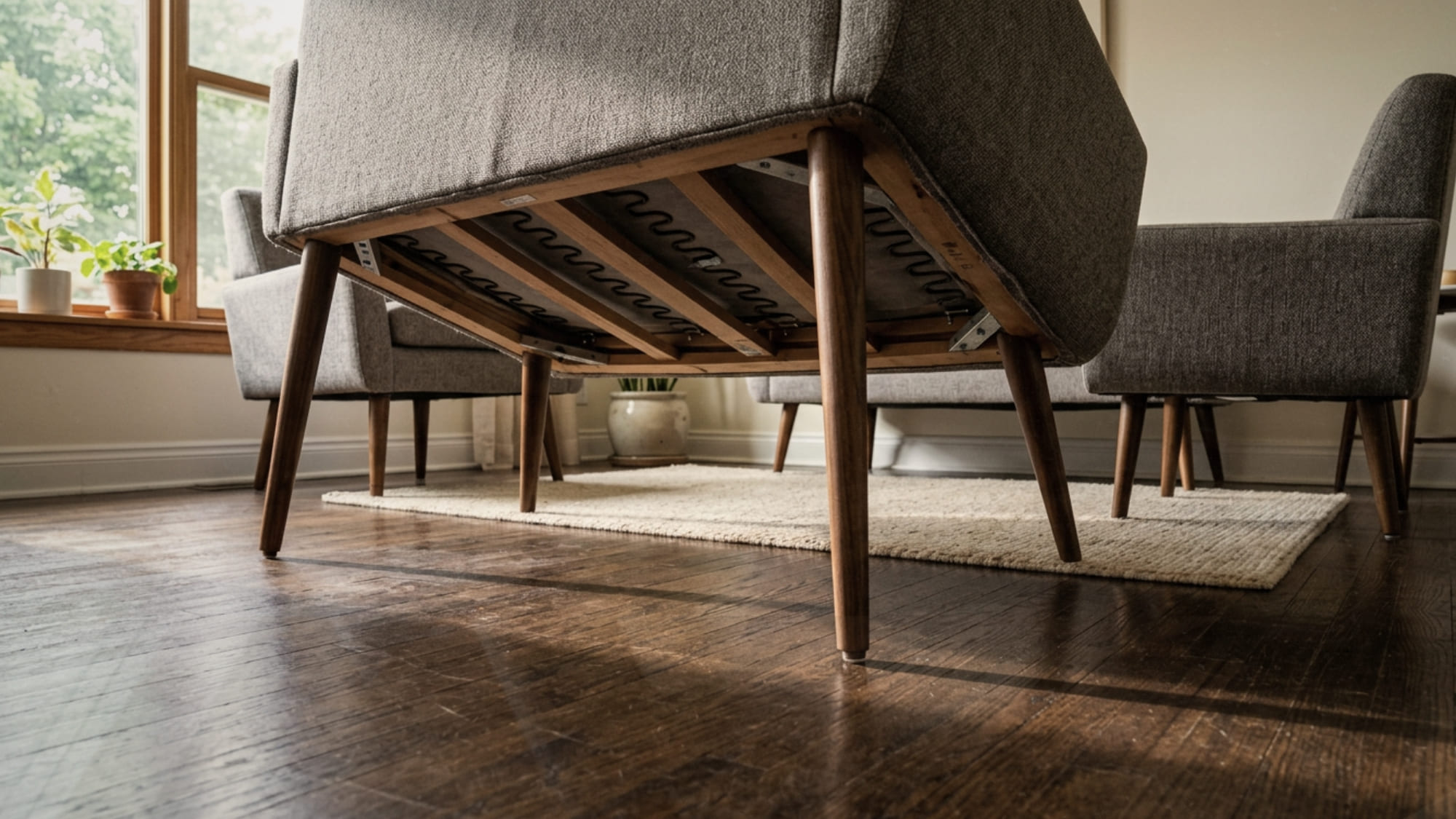
Sofas, chairs, and coffee tables that sit directly on the floor visually chop the room into sections. Furniture with visible legs, even just a few inches off the ground, lets the eye travel under the pieces and across the floor. That unbroken floor line tricks the brain into reading the room as larger. It sounds simple because it is.
3. Go Vertical With Shelving
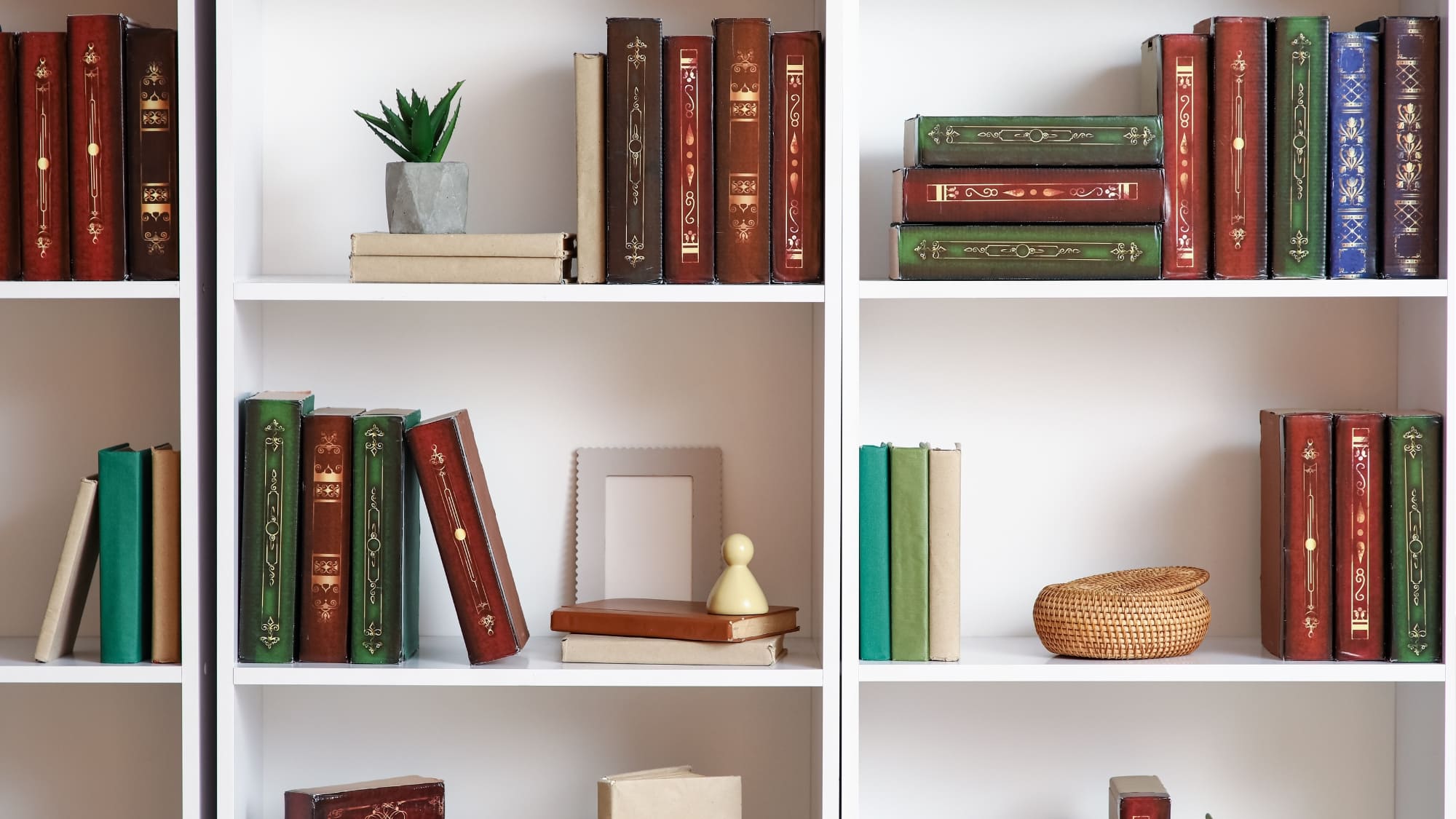
When floor space is limited, the walls become your best storage option. Floor-to-ceiling bookshelves draw the eye upward, which makes ceilings feel higher. Additionally, they keep surfaces clear and give you somewhere to put books, plants, and objects without adding another piece of furniture.
4. Choose a Sofa That Fits the Room, Not Your Dream
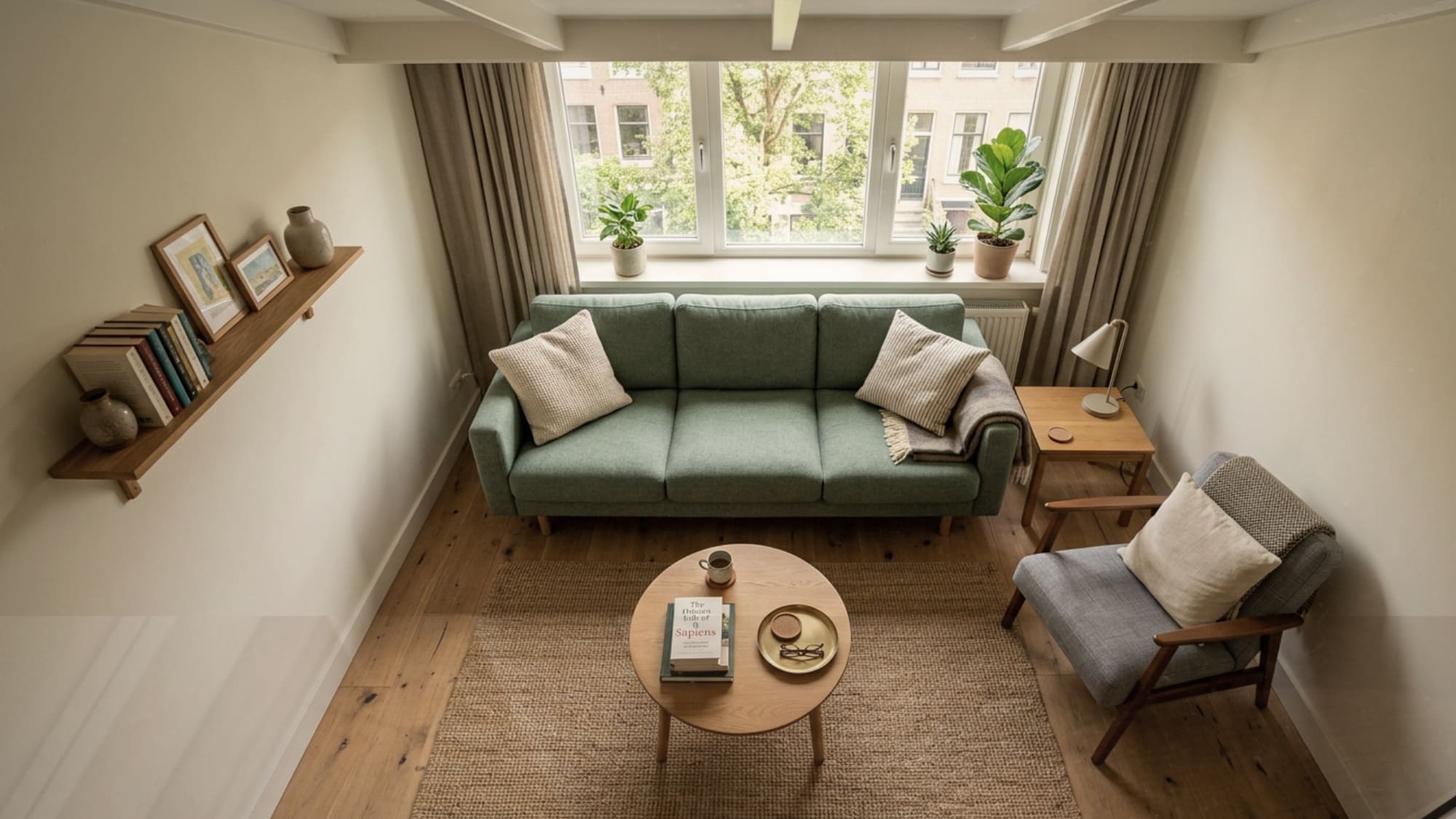
A lot of people buy the largest sofa they can afford and then wonder why the room feels like a maze. A smaller, well-proportioned sofa leaves breathing room and makes the whole space feel more intentional. A loveseat or a compact three-seater often works far better than a sectional in a small apartment.
5. Try a Sofa in a Light Color
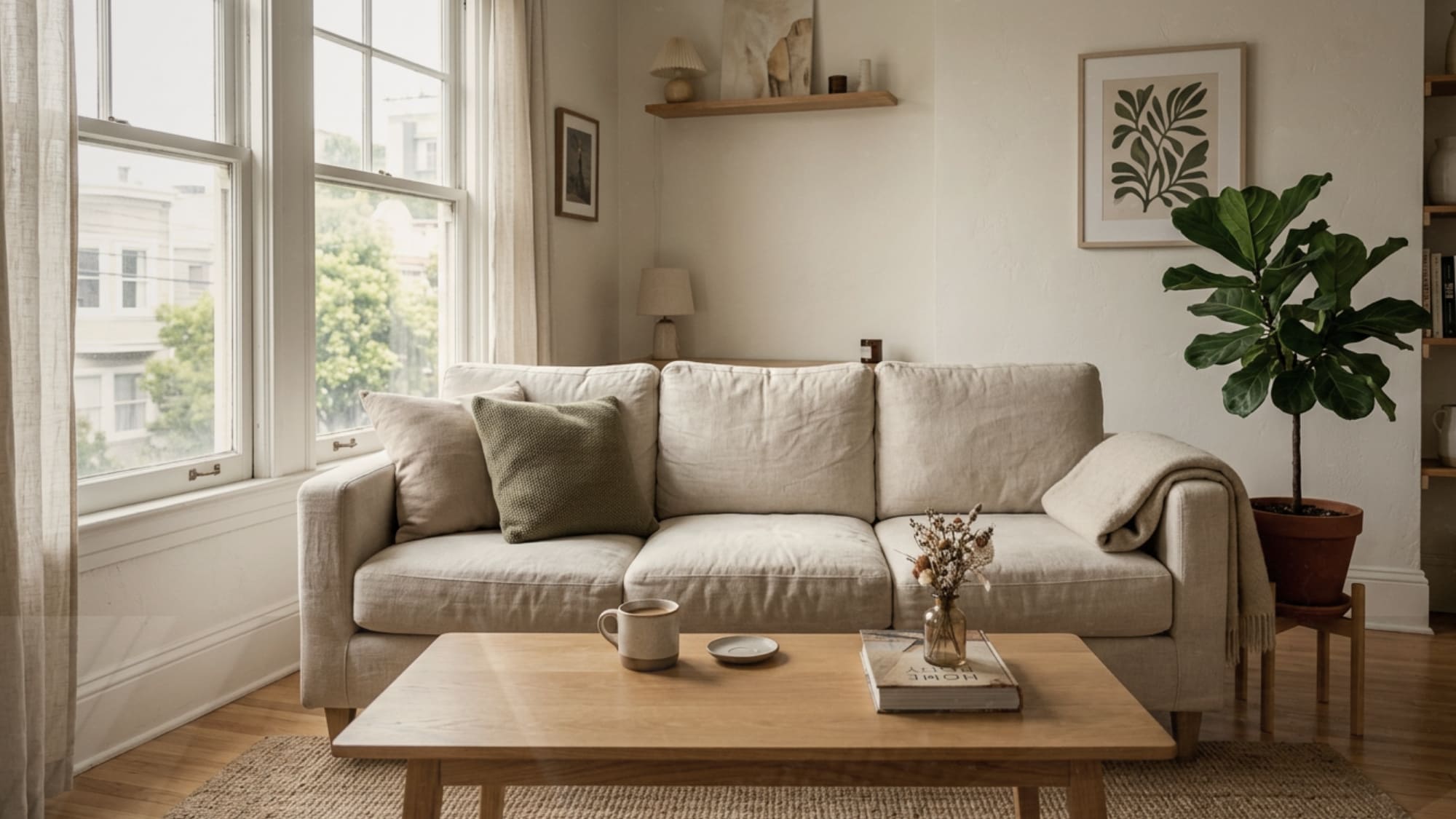
Dark sofas anchor a room, which is great in a large space but suffocating in a small one. A light-colored sofa in cream, oatmeal, or pale gray reflects light and blends with lighter walls. As a result, the furniture feels less heavy and the room opens up.
6. Use a Round Coffee Table
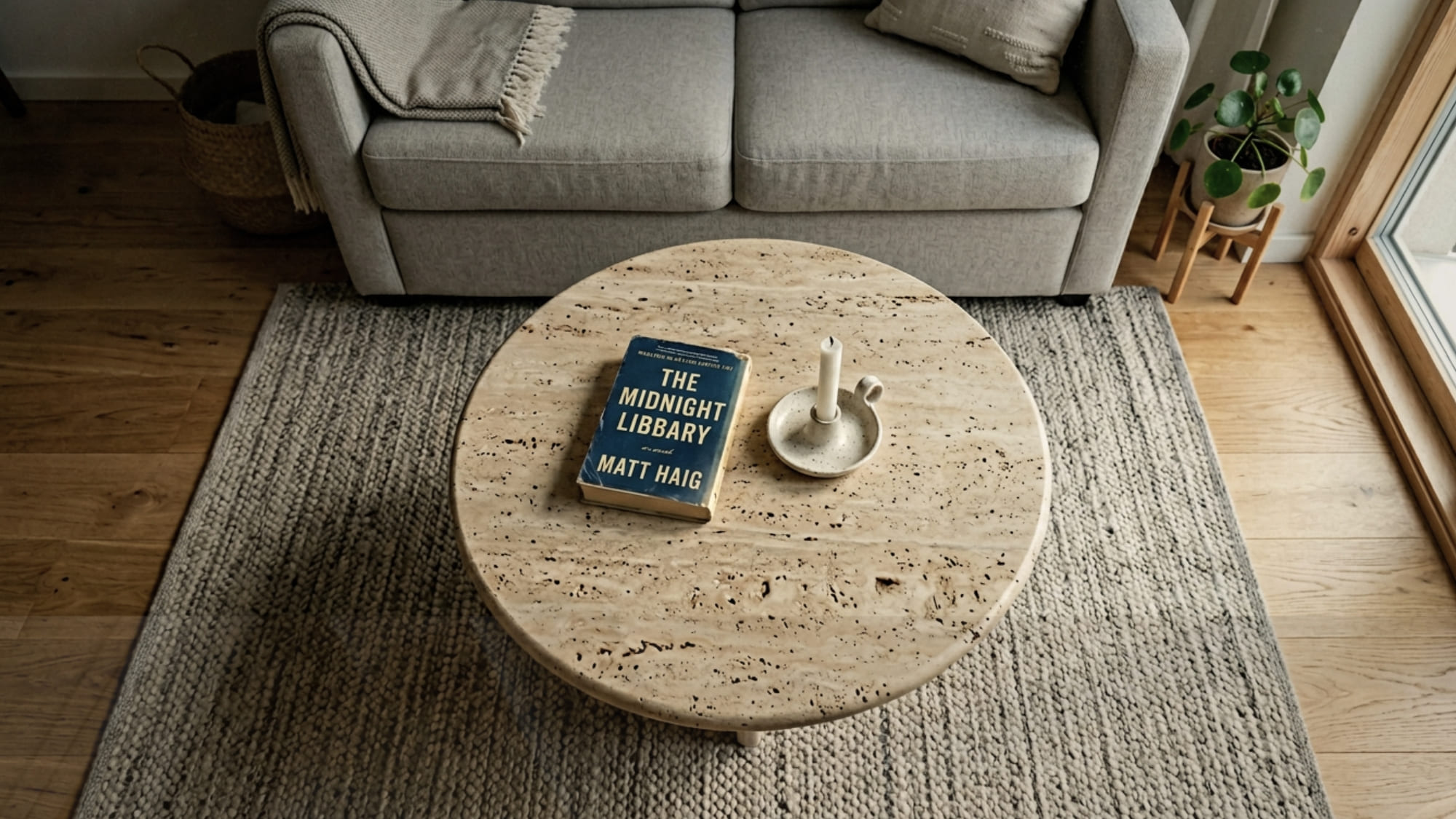
Sharp corners and rectangular shapes add visual bulk. A round coffee table softens the space and allows for easier movement around the room. Furthermore, it removes the visual tension that comes from too many straight lines competing for attention.
7. Hang Curtains High and Wide
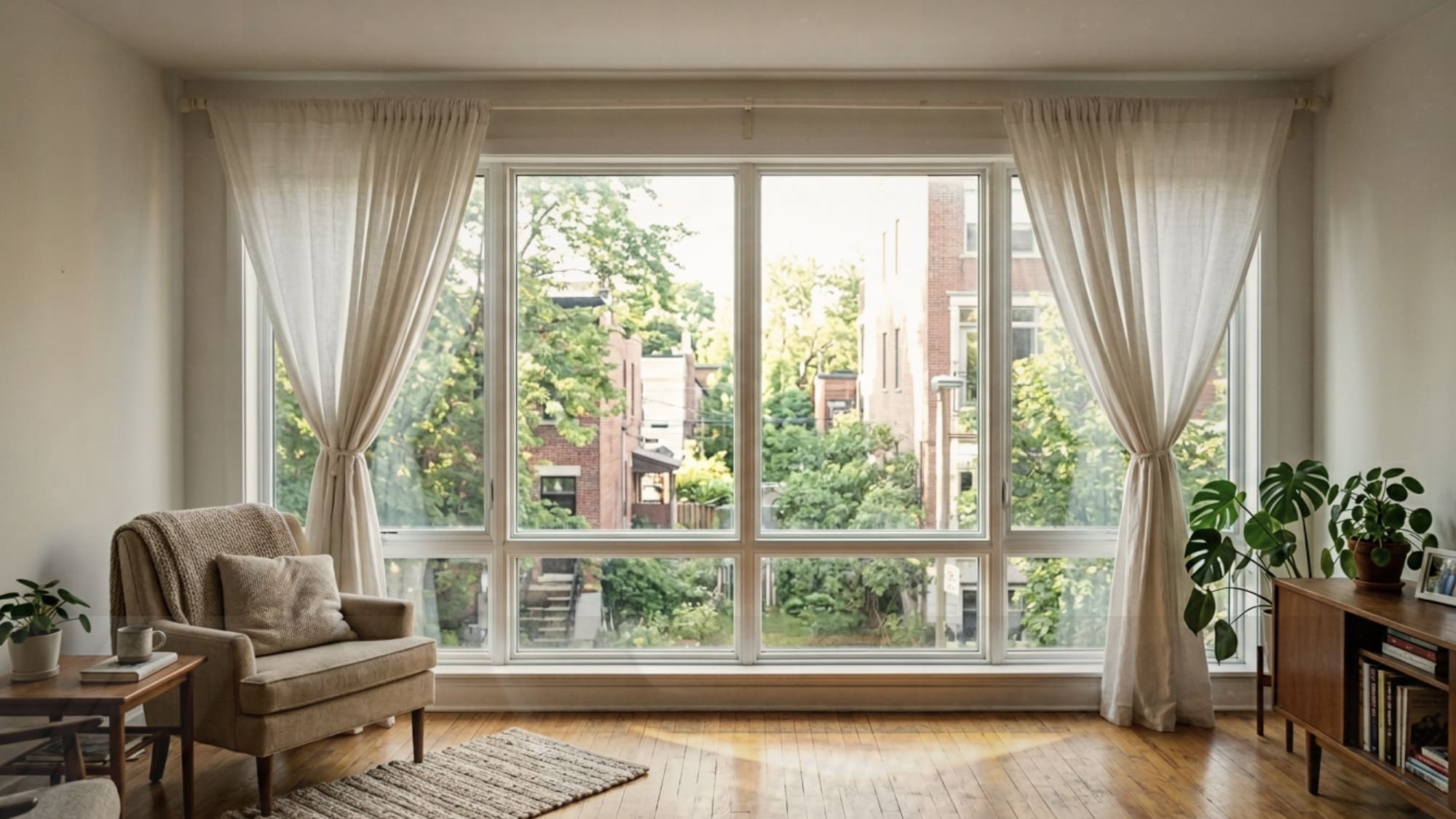
This is one of those tricks that designers use constantly but rarely explain. Hang your curtain rod as close to the ceiling as possible, and extend the rod well beyond the window frame on both sides. When the curtains are open, the window looks enormous. The room feels taller and wider without touching a single piece of furniture.
8. Use Mirrors Strategically
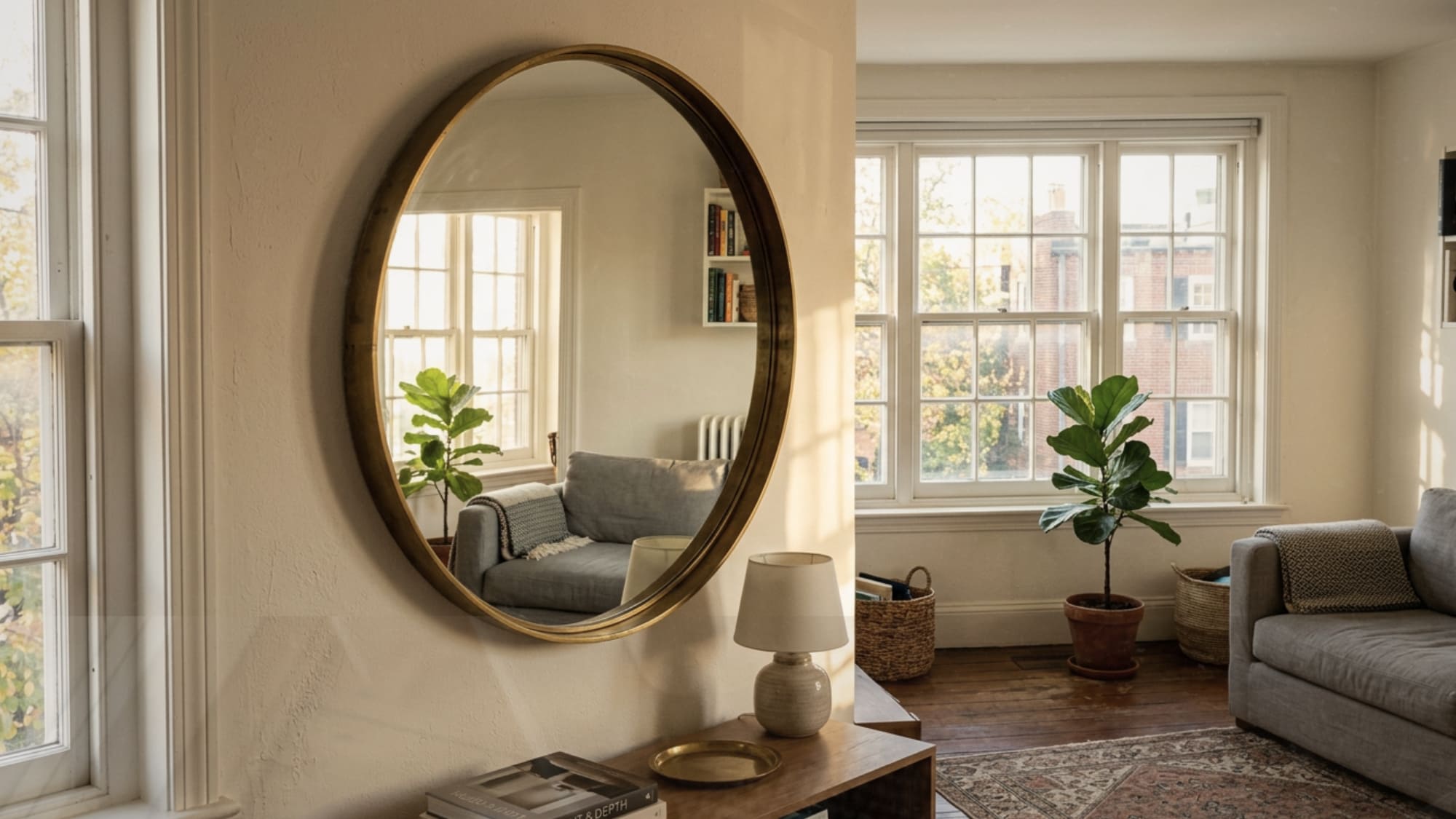
A large mirror on the wall opposite a window doubles the natural light and creates the illusion of depth. However, placement matters. A mirror that reflects a cluttered corner or a blank wall does not help much. Point it toward something worth reflecting, like a window, a lamp, or a plant.
9. Keep the Coffee Table Low
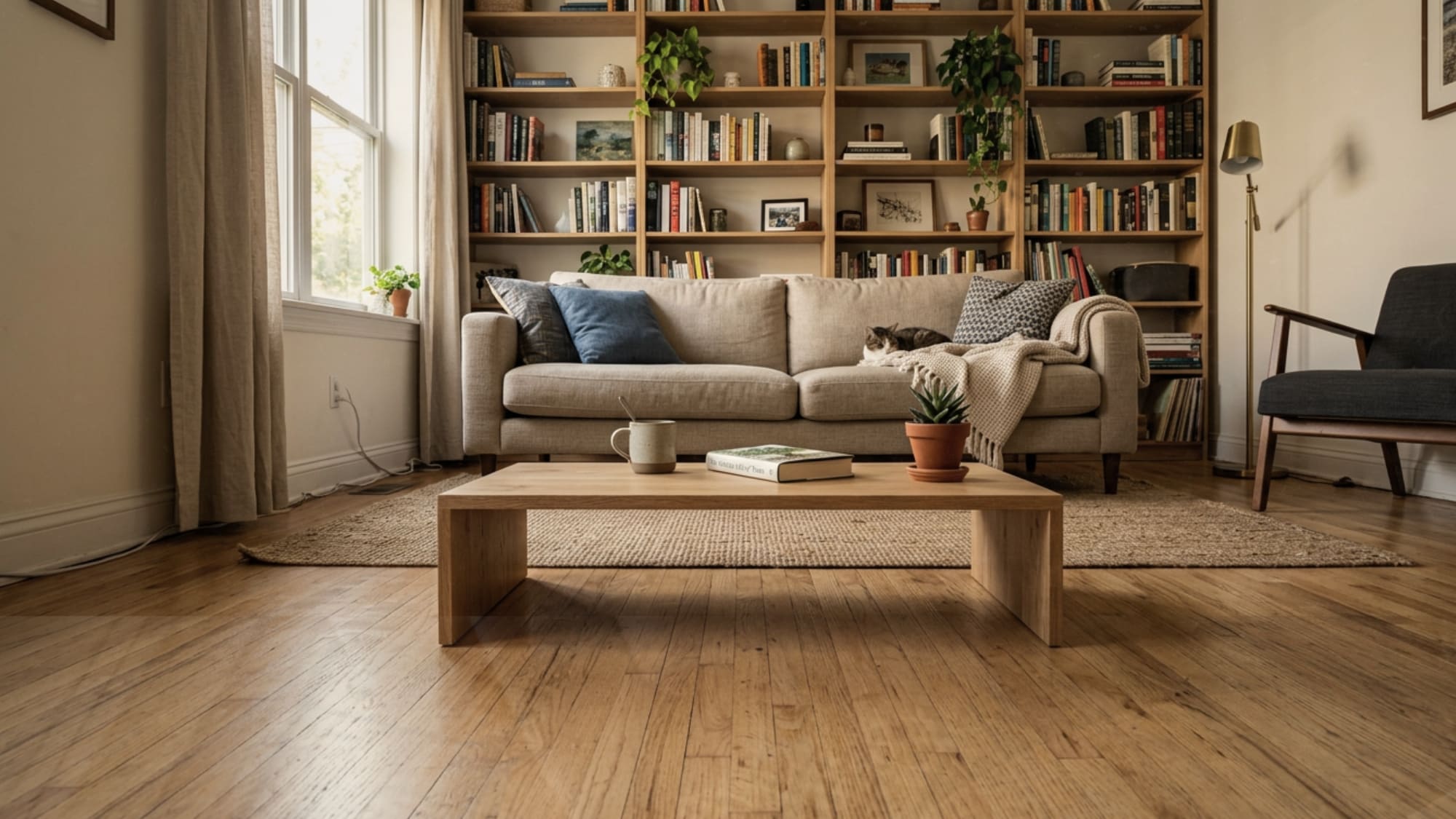
A low coffee table keeps sightlines open across the room. When you can see across a space without furniture interrupting the view, the room immediately reads as more spacious. Consequently, choosing a lower profile table over a tall one is a small change with a big visual payoff.
10. Limit Your Color Palette to Three
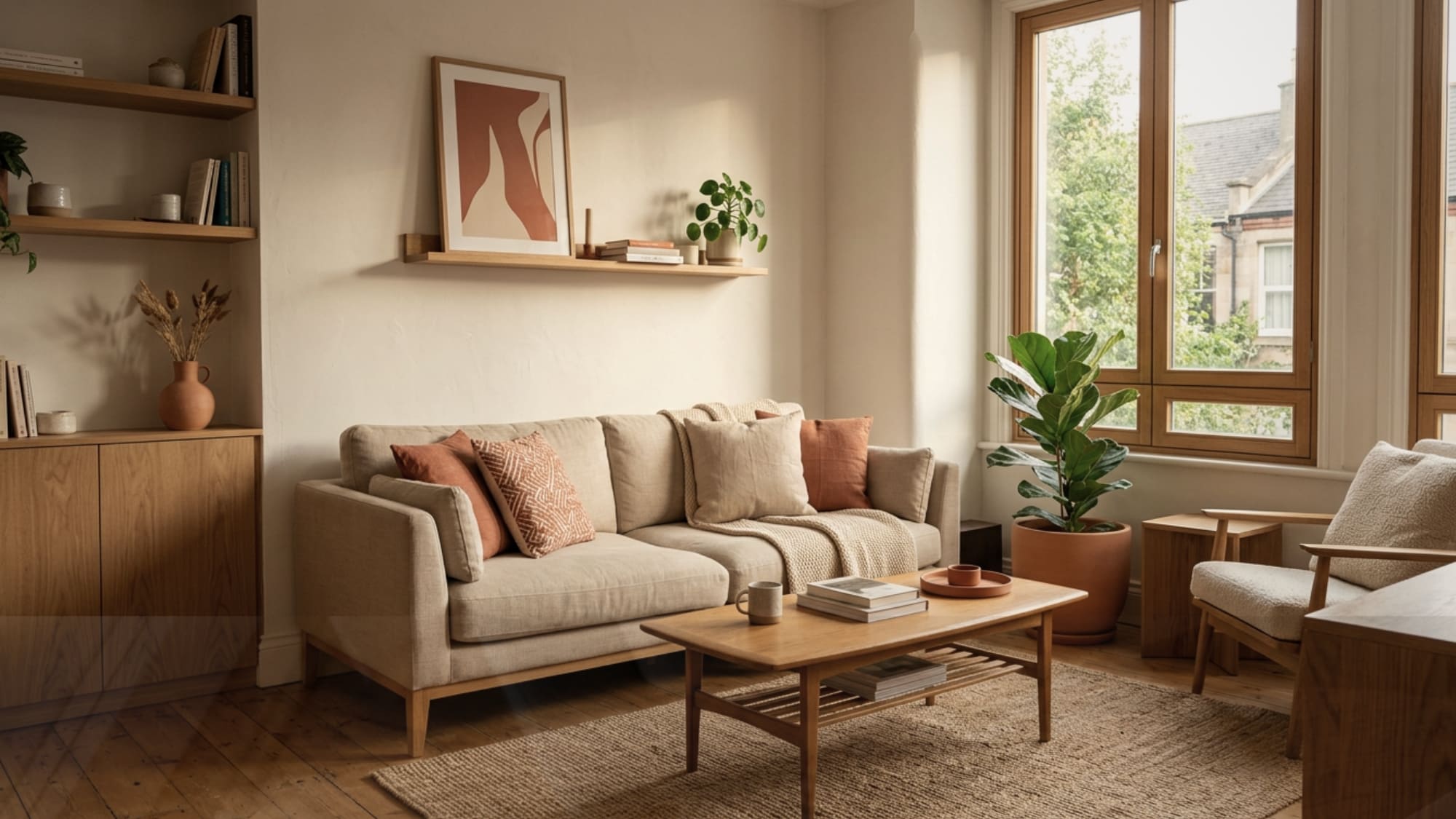
Too many colors in a small room create visual noise, which makes the space feel busy and closed in. Stick to three colors: one dominant, one secondary, and one accent. This does not mean the room has to be dull. In fact, a disciplined palette often looks more sophisticated than a room with too many competing shades.
11. Let the Floor Show
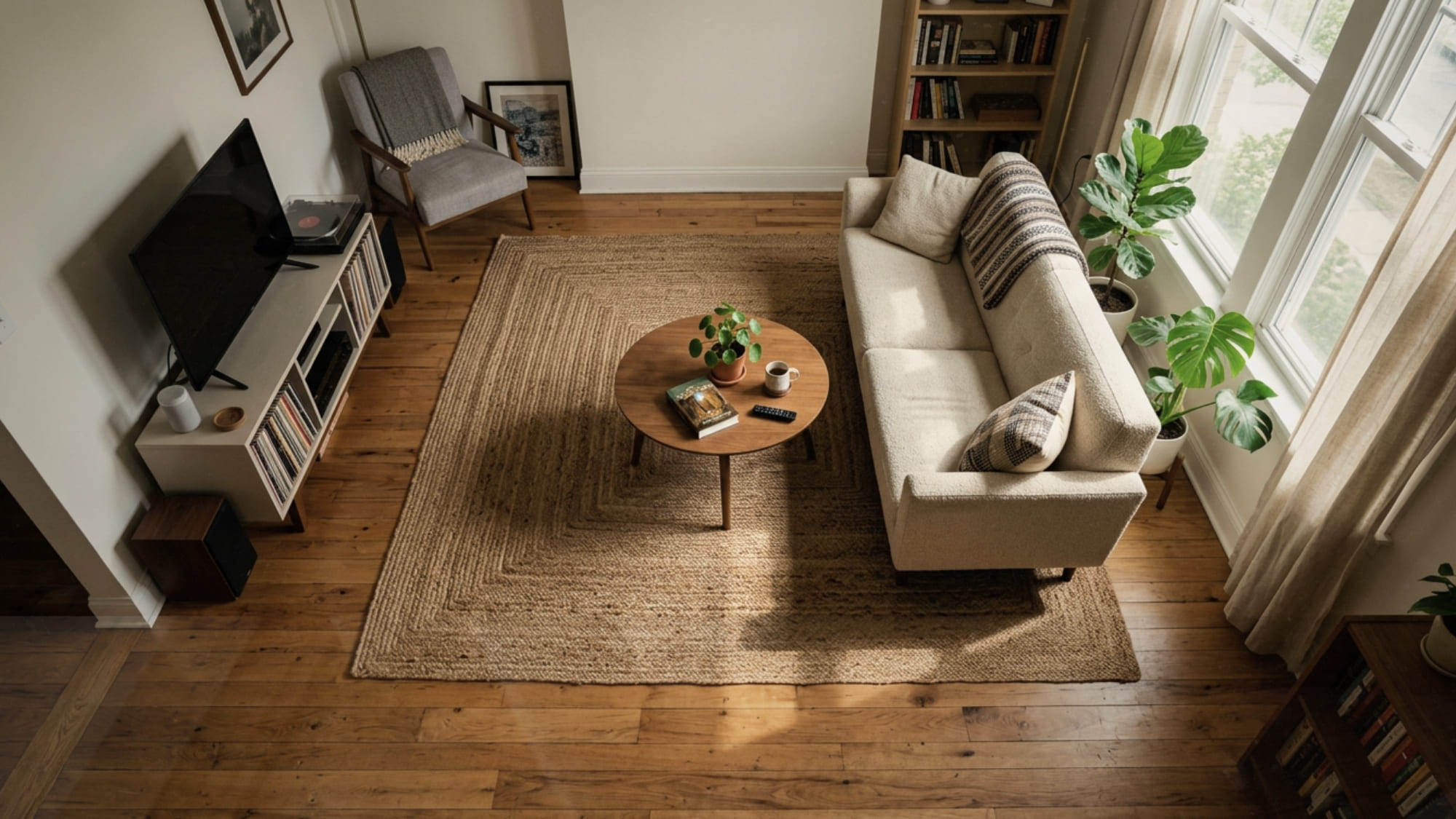
Rugs are wonderful, but an oversized rug that covers nearly all the floor does the opposite of what you want. Leave a border of floor visible around the rug. This framing effect makes the room look bigger because the eye reads the floor as extending beyond the rug.
12. Choose a Transparent Coffee Table or Side Table
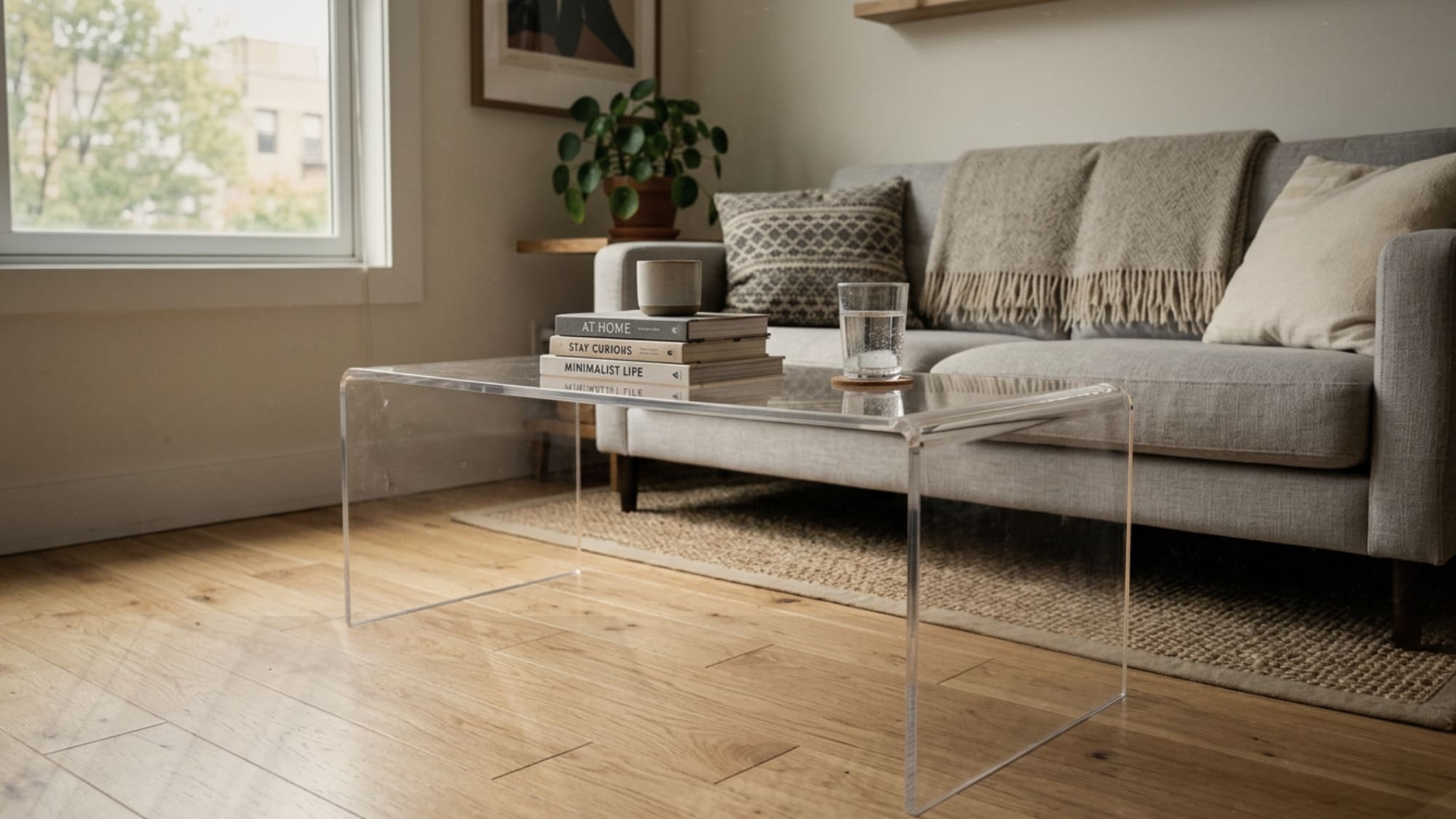
Acrylic or glass tables take up physical space but almost none of the visual space. Because the eye passes straight through them, they create the impression that the floor is less cluttered. This works especially well in rooms where you genuinely need a surface but cannot afford to lose visual square footage.
13. Use One Large Piece of Art Instead of Many Small Ones
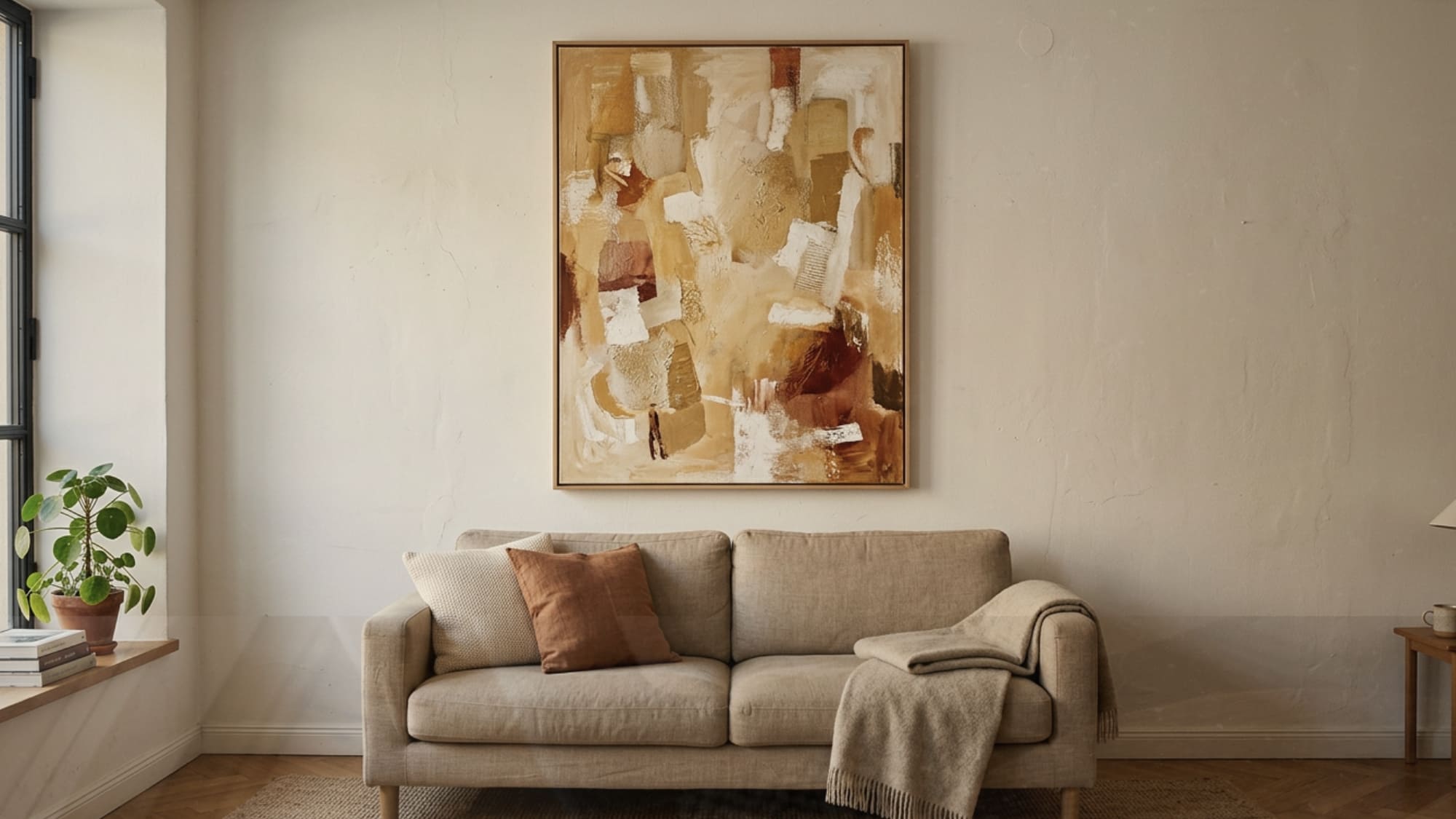
A gallery wall looks beautiful in a larger room. In a small space, though, it creates a lot of busy visual activity. One large piece of art acts as a focal point, gives the wall a sense of purpose, and keeps the eye moving instead of stopping and starting.
14. Try Wall-Mounted Lighting
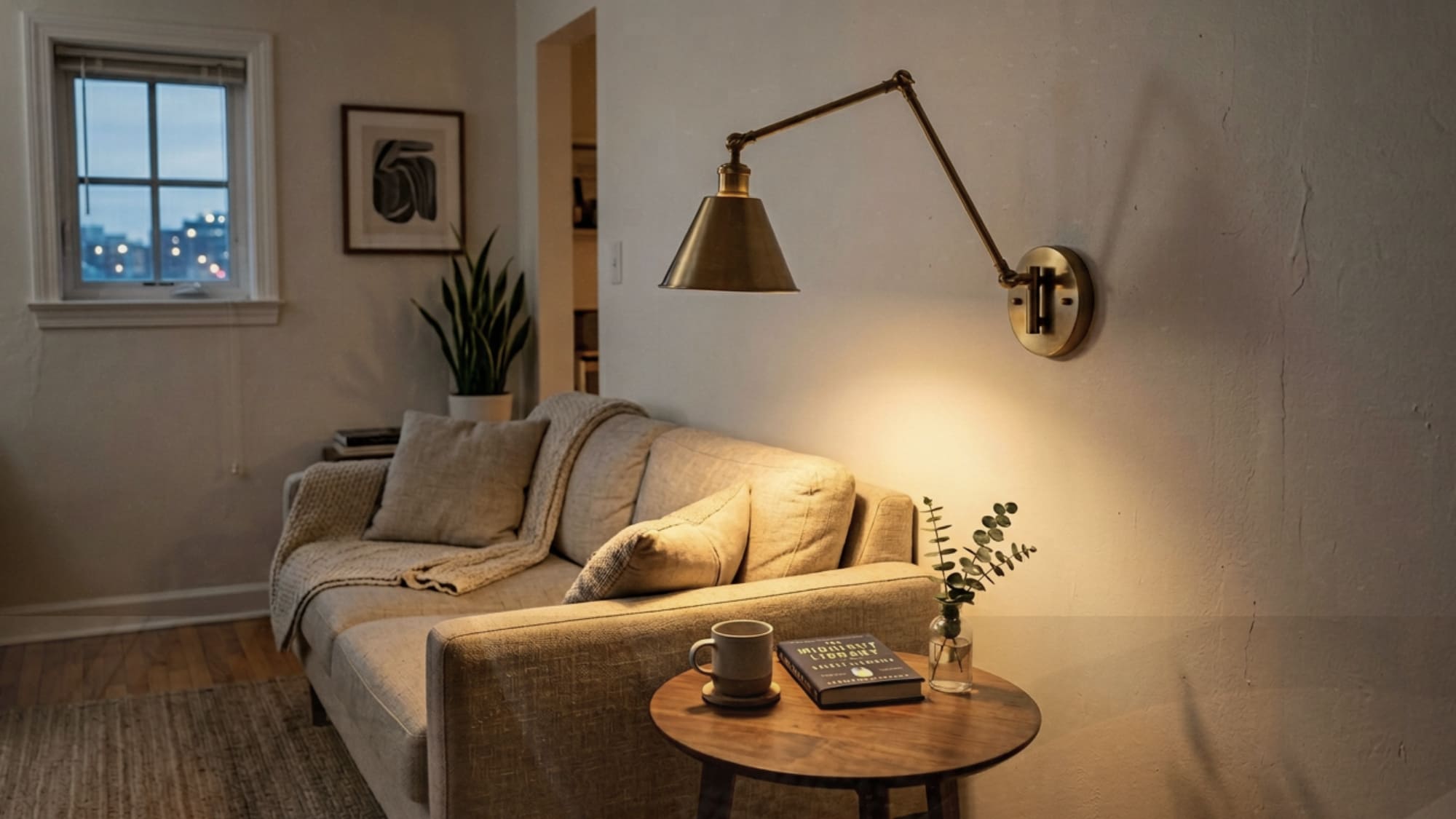
Floor lamps and table lamps take up floor and surface space. Wall-mounted sconces or swing-arm lamps free up those areas while still providing good light. Additionally, wall lighting at eye level creates warmth without adding to the clutter on the floor or the shelves.
15. Embrace Multifunctional Furniture
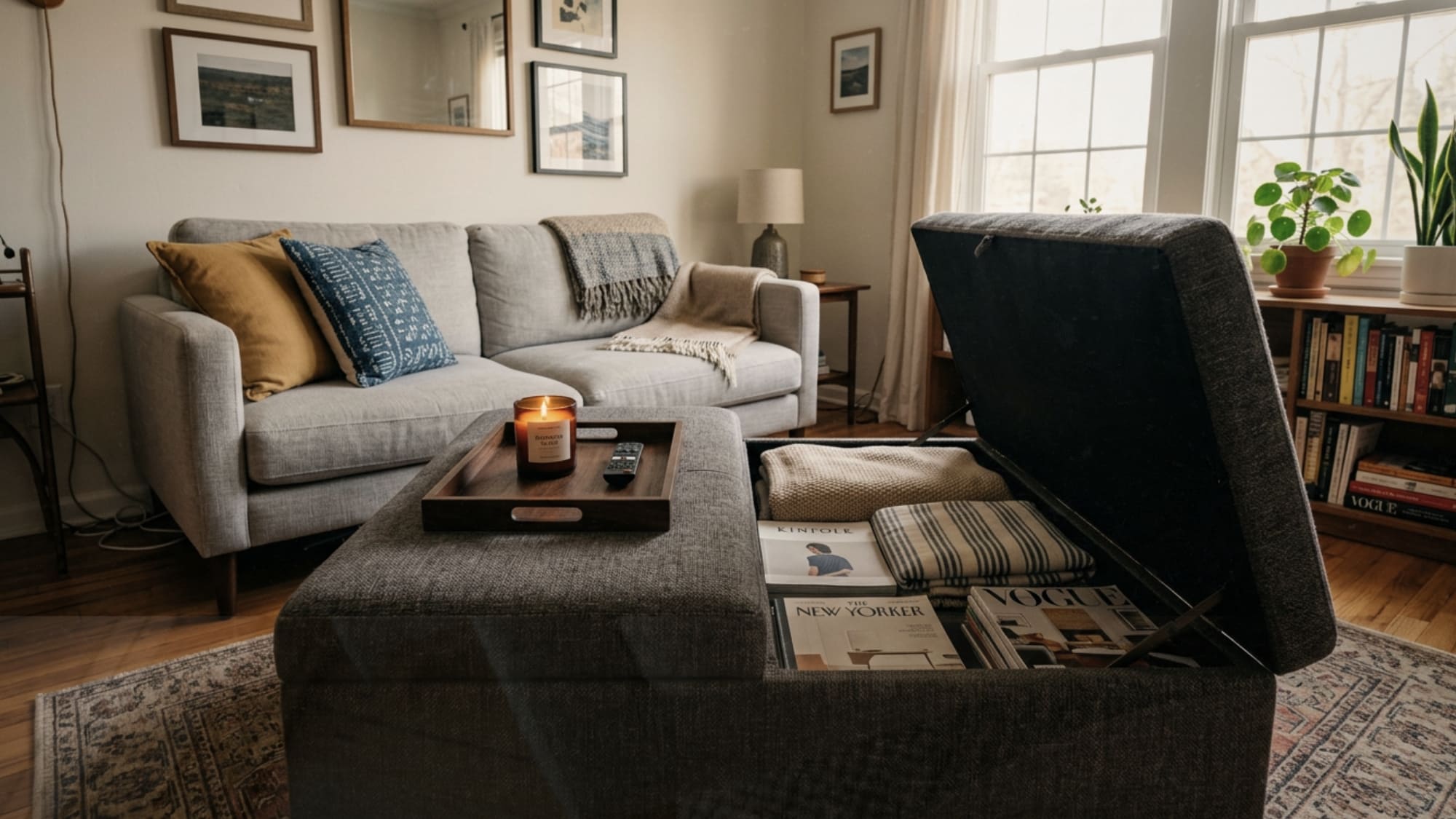
An ottoman with storage inside, a coffee table that opens up, a sofa with a pull-out bed. These are not novelty items. They are genuinely practical in a small apartment where every piece of furniture needs to earn its spot. Therefore, before buying anything new, ask what else it can do.
16. Float the Furniture Away From the Walls
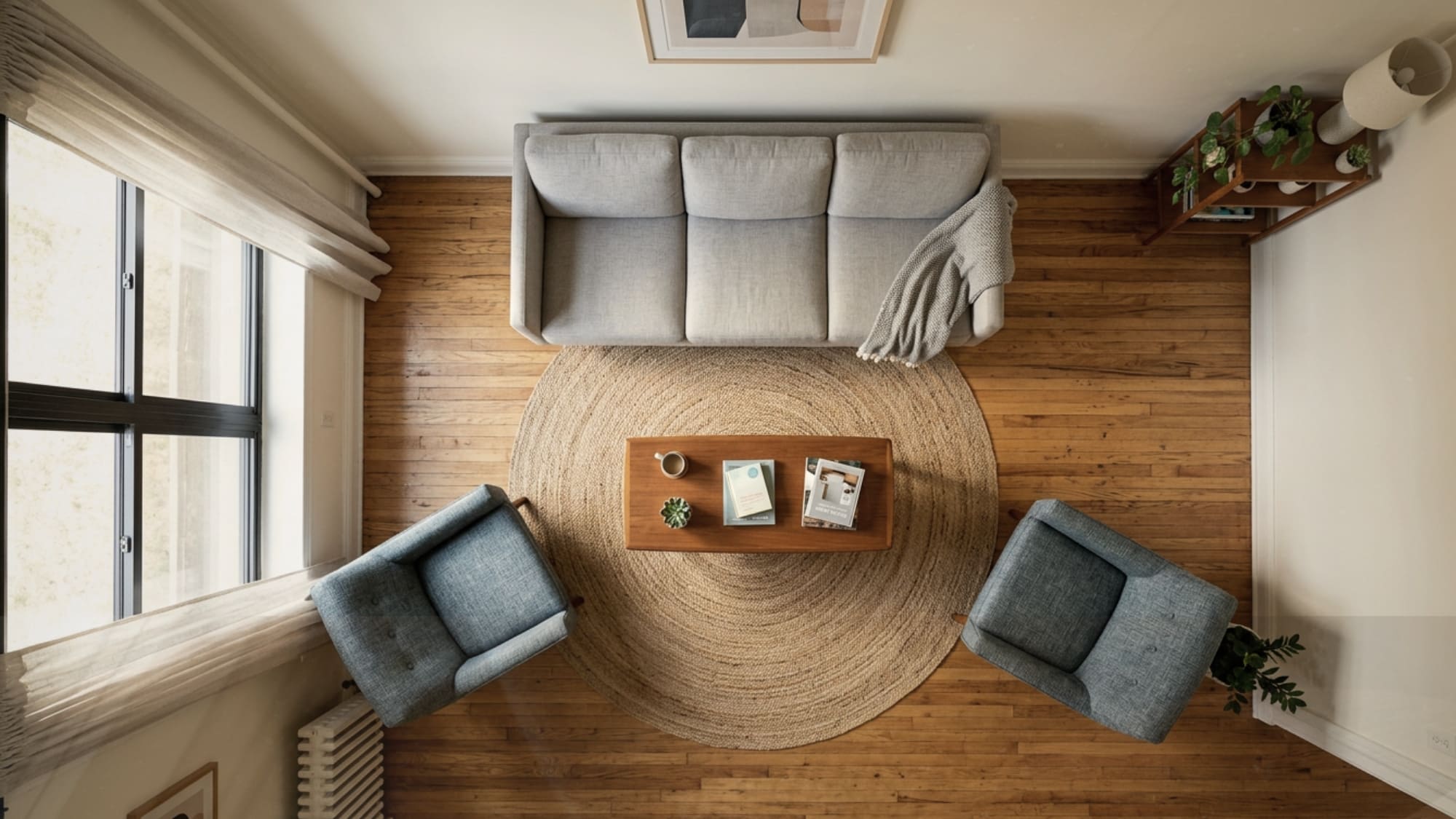
This one surprises a lot of people. Pulling furniture a few inches away from the walls actually makes the room feel bigger, not smaller. It creates breathing room around each piece, which makes the layout feel deliberate rather than cramped. Try it before dismissing it.
17. Use a Daybed Instead of a Sofa
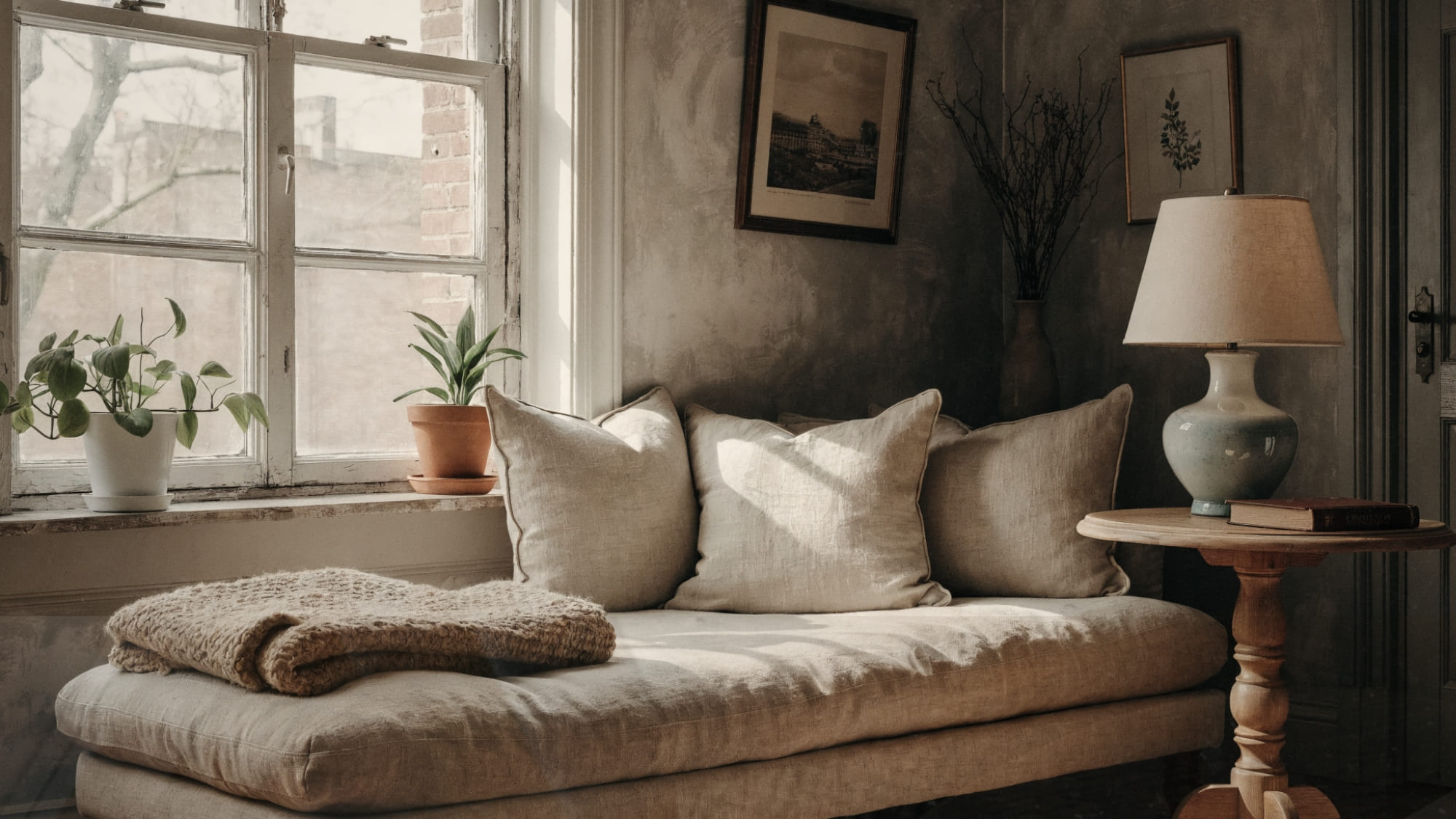
In a studio or very small living space, a daybed works as both seating and sleeping. Dressed with throw pillows during the day, it looks intentional and stylish. Moreover, the lower profile of most daybeds keeps the room feeling open.
18. Declutter Relentlessly
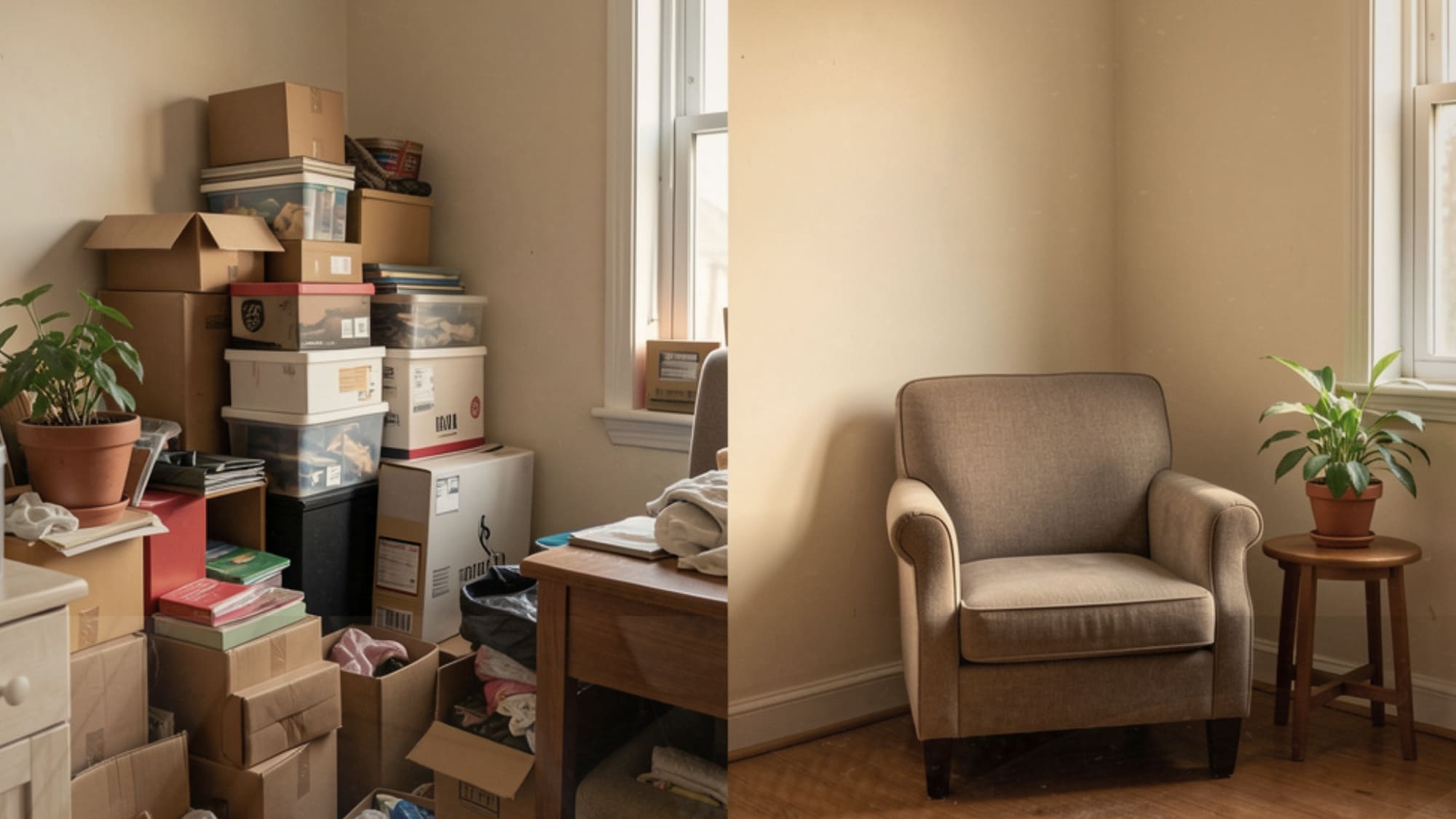
No design trick in the world compensates for clutter. Clutter is the number one reason small rooms feel small. Baskets, boxes, and closed storage help, but the most effective solution is simply owning less stuff in the space. A room with fewer things always feels bigger.
19. Add a Plant or Two (Not Ten)
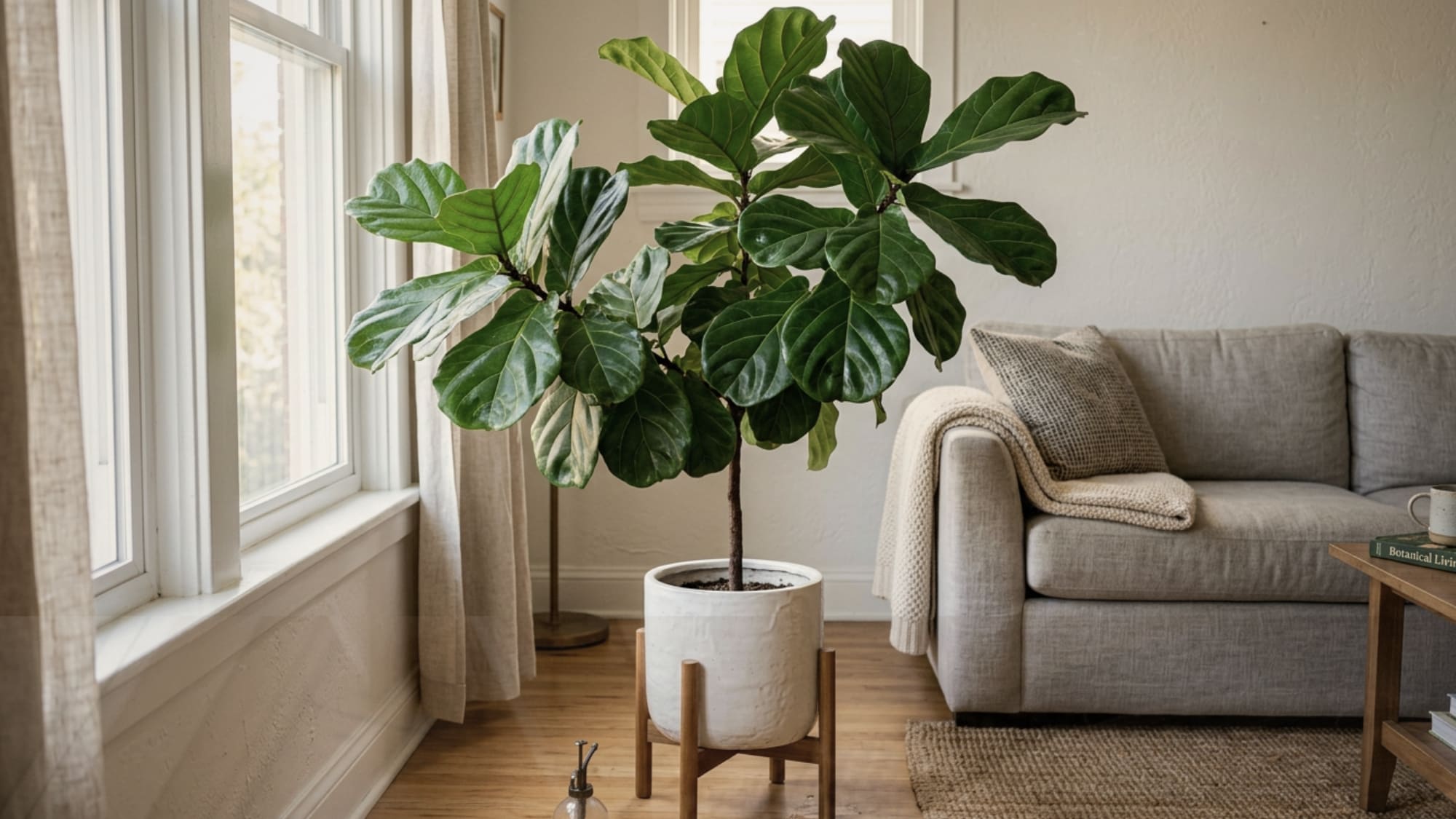
Plants bring life into a room and improve the mood without adding visual weight the way furniture does. One large statement plant in a corner or a couple of smaller ones on a shelf is enough. Too many plants, however, start to feel like a jungle and can actually shrink the perceived space.
20. Use the Same Flooring Throughout
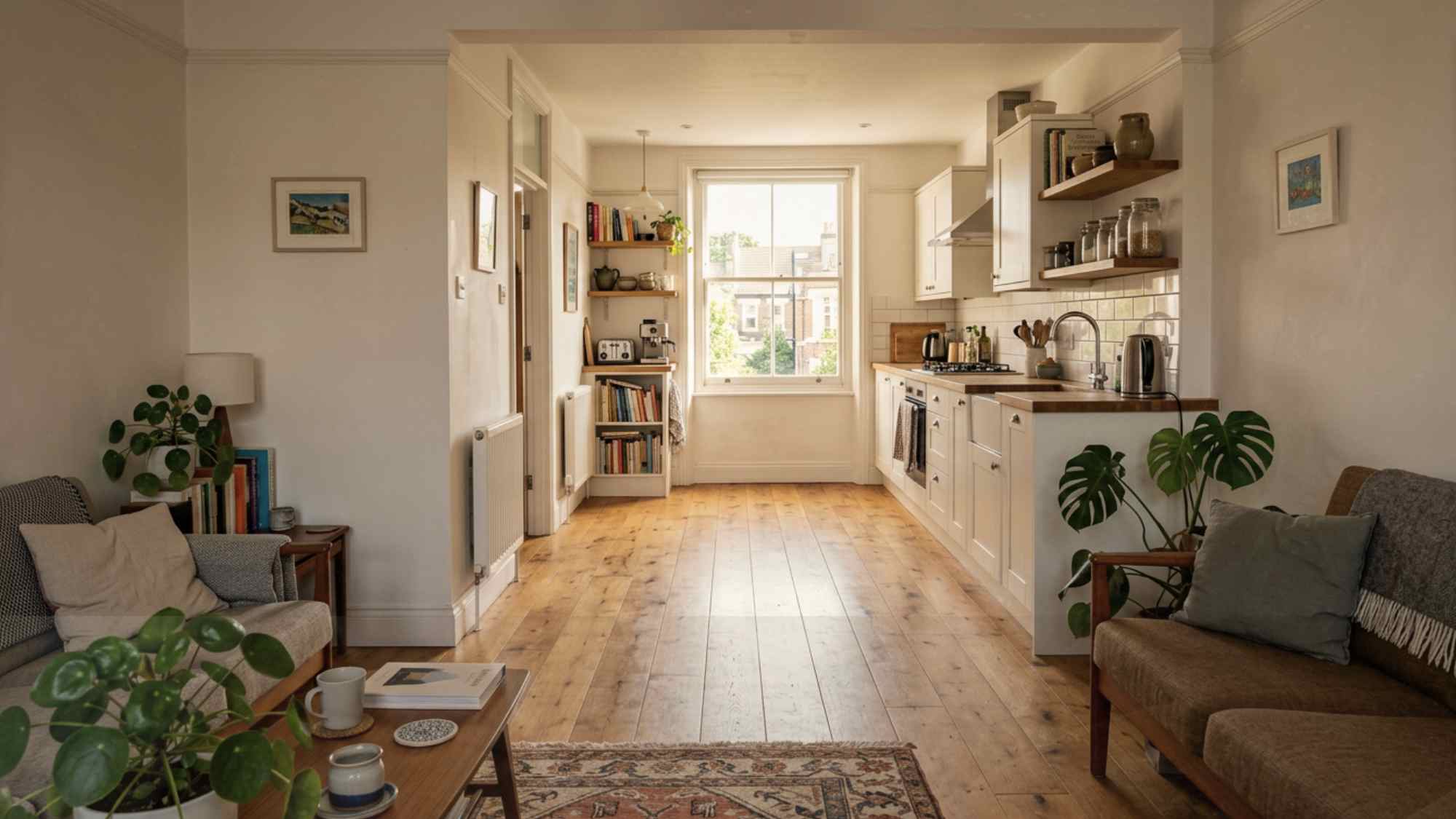
If possible, avoid rugs that break the floor into zones. When the flooring is consistent across the whole space, the eye reads it as one continuous surface, which makes the apartment feel larger. This is especially important in open-plan layouts where the living area connects to a kitchen or hallway.
21. Choose Furniture With a Smaller Footprint
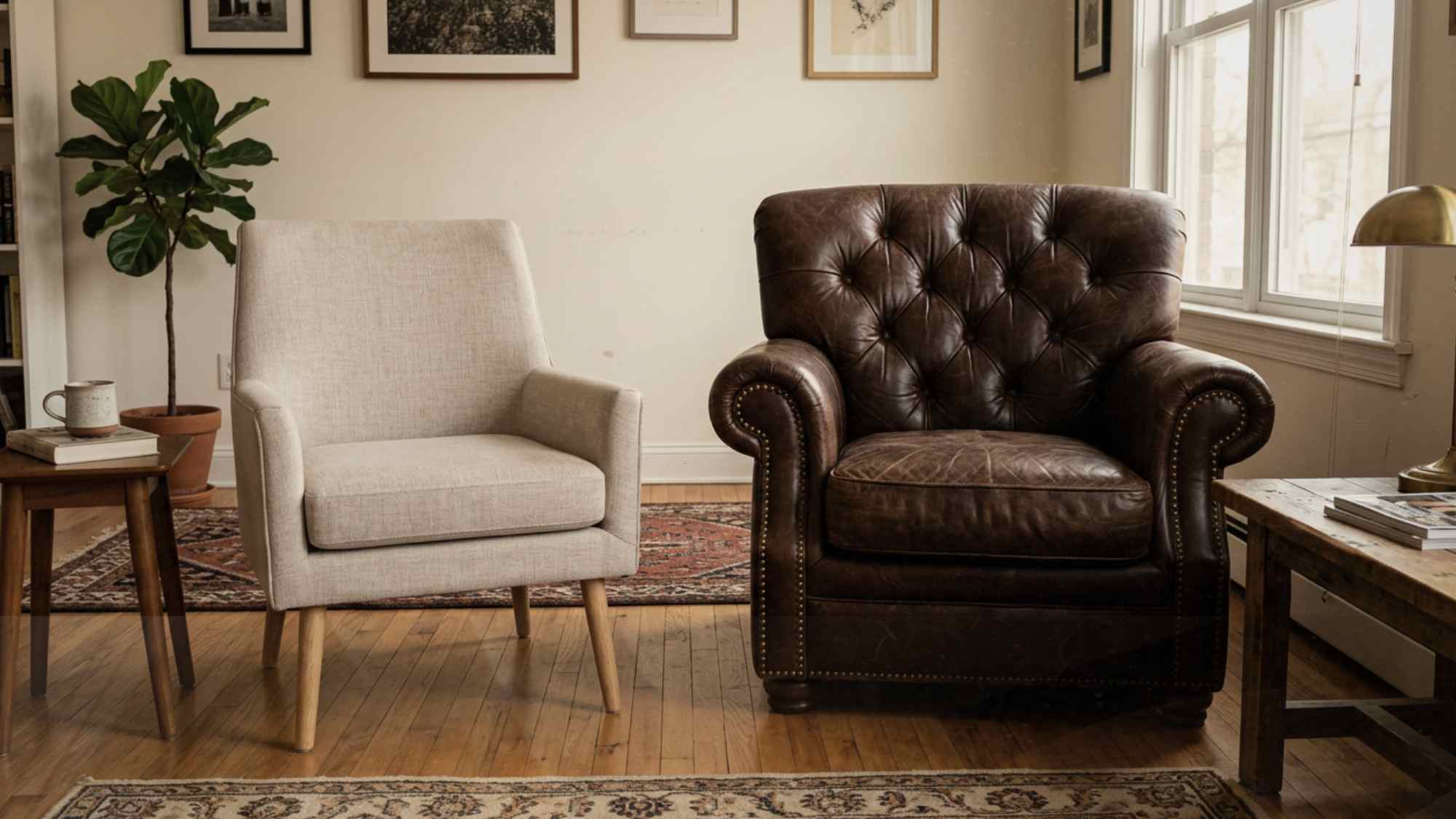
A slim-profile armchair takes up far less visual space than a big club chair, even if both technically fit in the room. Sleek, narrow furniture leaves more floor visible and makes the room easier to move through. Over time, you will notice how much this matters.
22. Maximize Natural Light
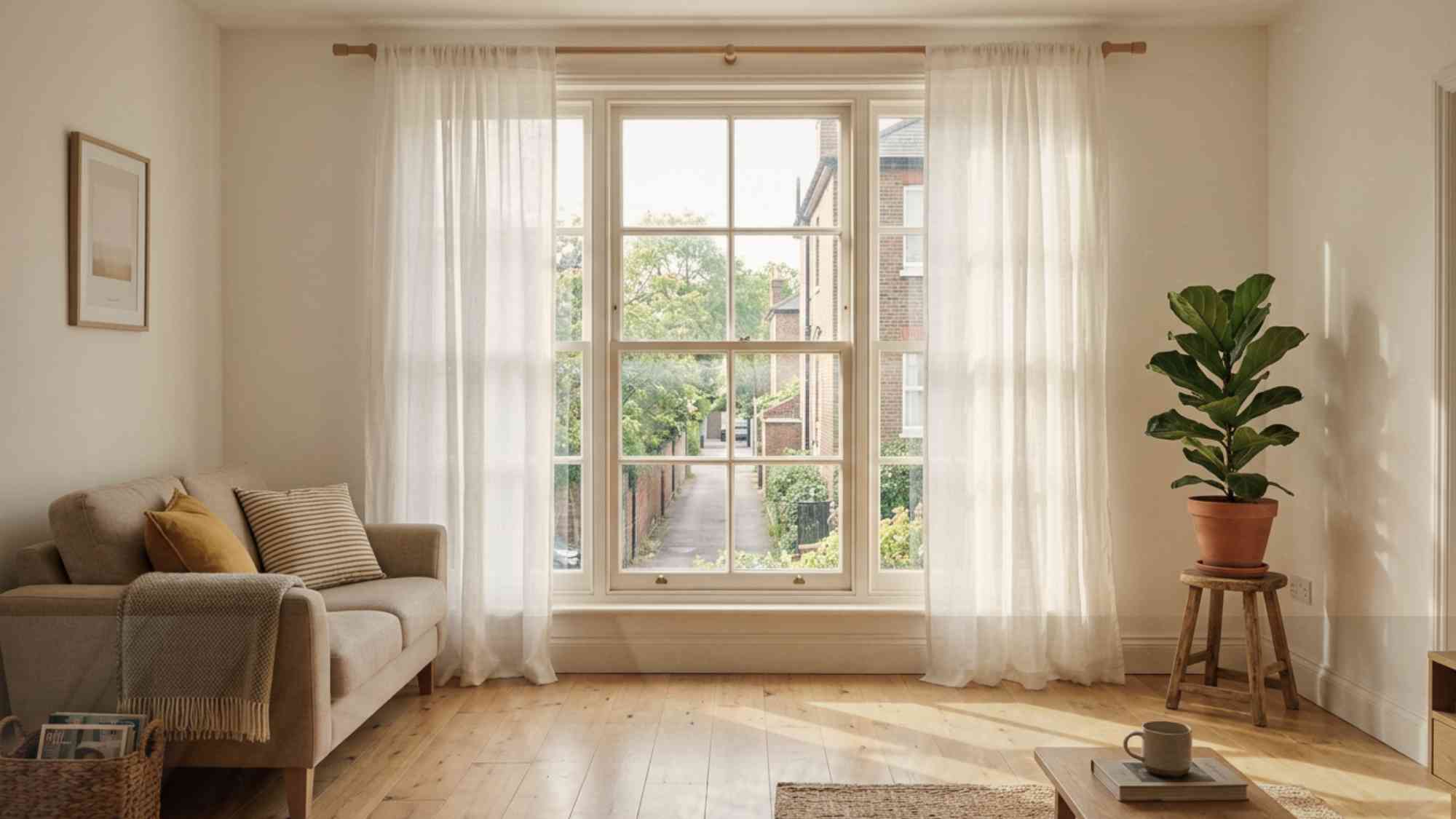
Remove heavy drapes and replace them with sheer curtains or light-filtering blinds. Natural light does more for a small room than almost any other single change. Because light expands a space visually, losing the heavy window treatments can genuinely transform how the room feels.
23. Use Built-In Storage if You Can
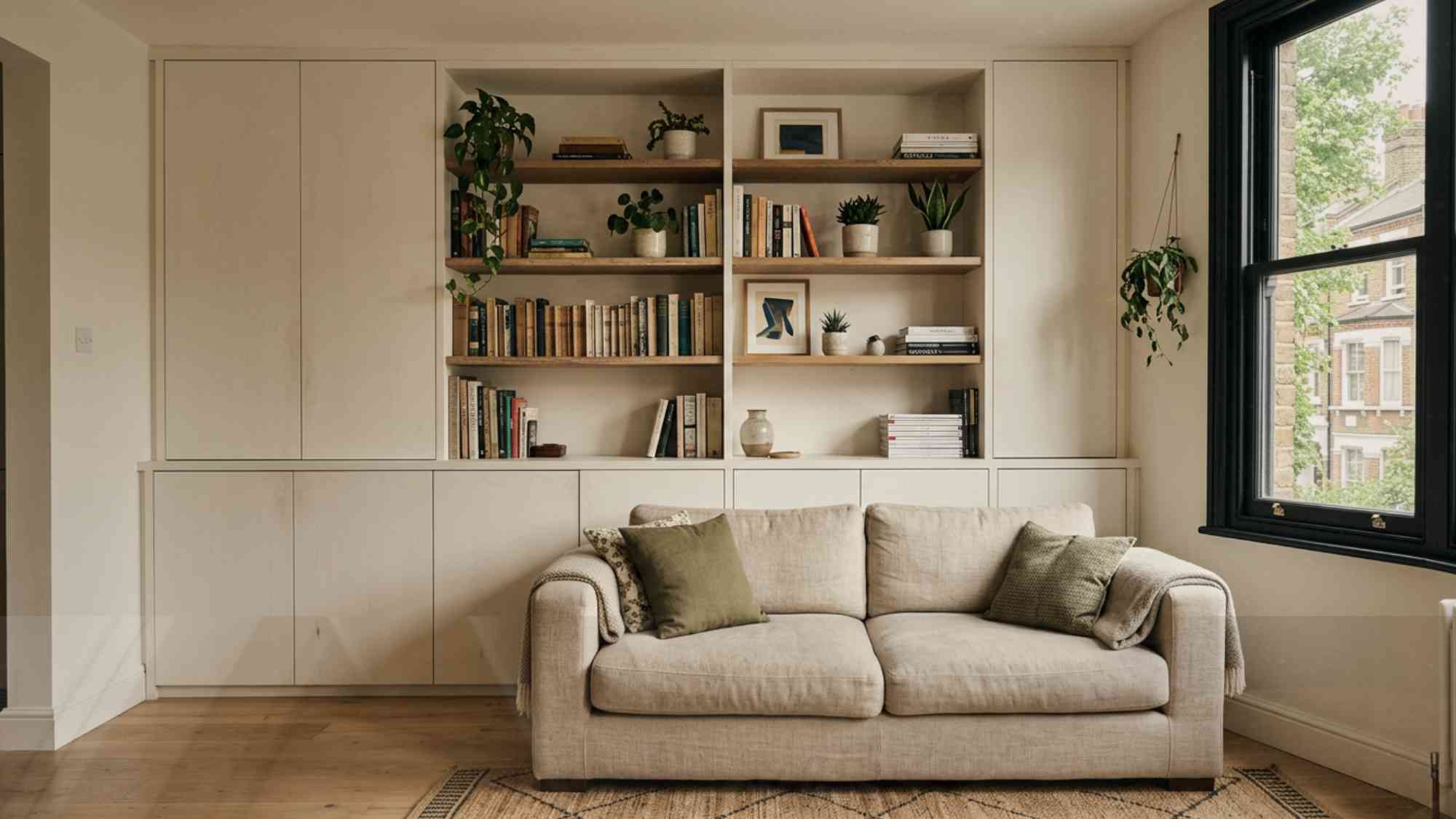
If you are renting and cannot make permanent changes, skip this one. But if you have any ability to add built-in shelves or a built-in window seat with storage, it is worth it. Built-ins use otherwise wasted space and reduce the need for freestanding furniture.
24. Keep the TV on the Wall
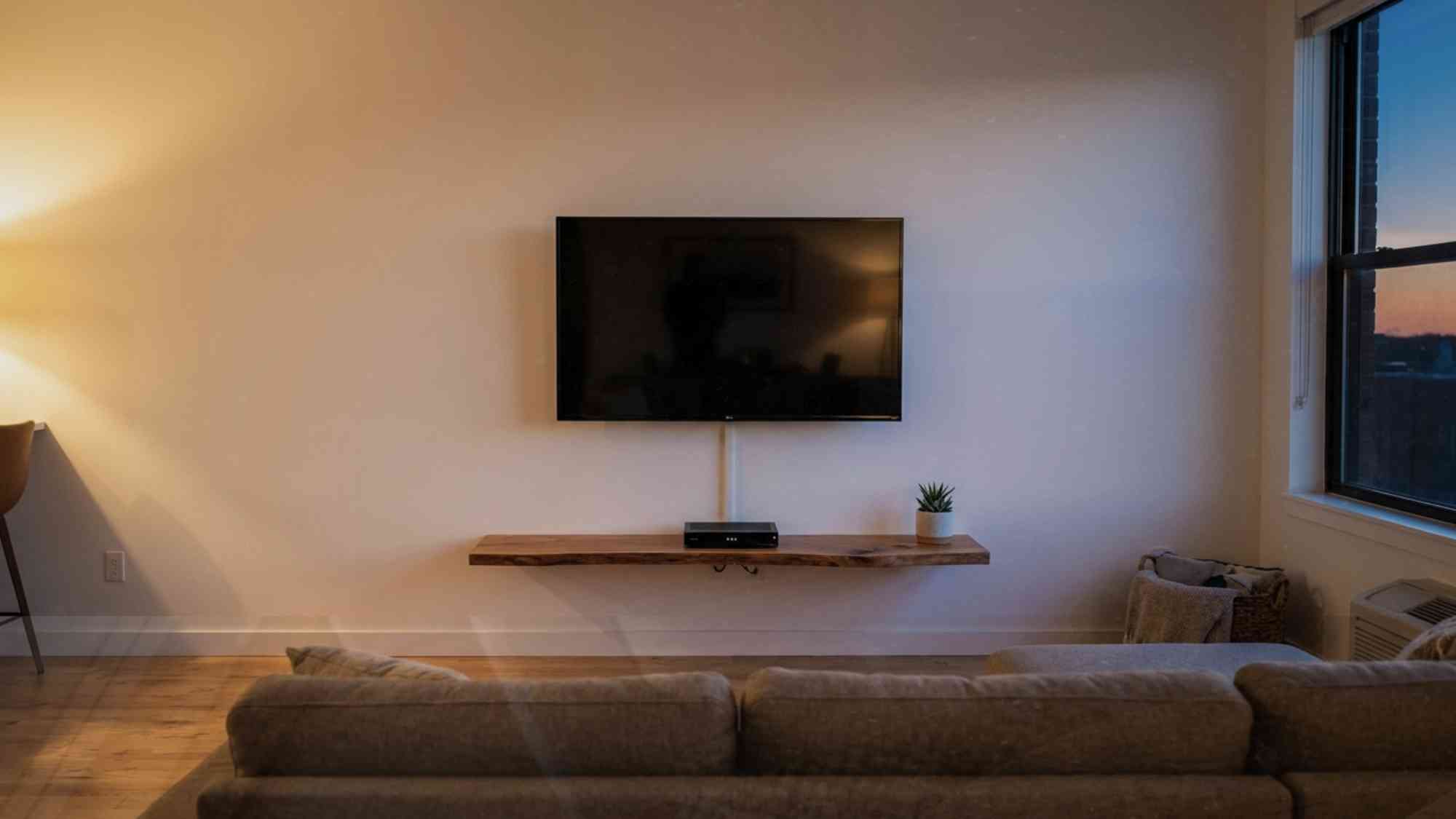
A freestanding TV stand or console adds both height and width to the furniture footprint in the room. A wall-mounted TV, by contrast, takes up almost no floor space and keeps the area below it open. You can use a floating shelf beneath it for the essentials.
25. Try a Bench Instead of a Second Chair
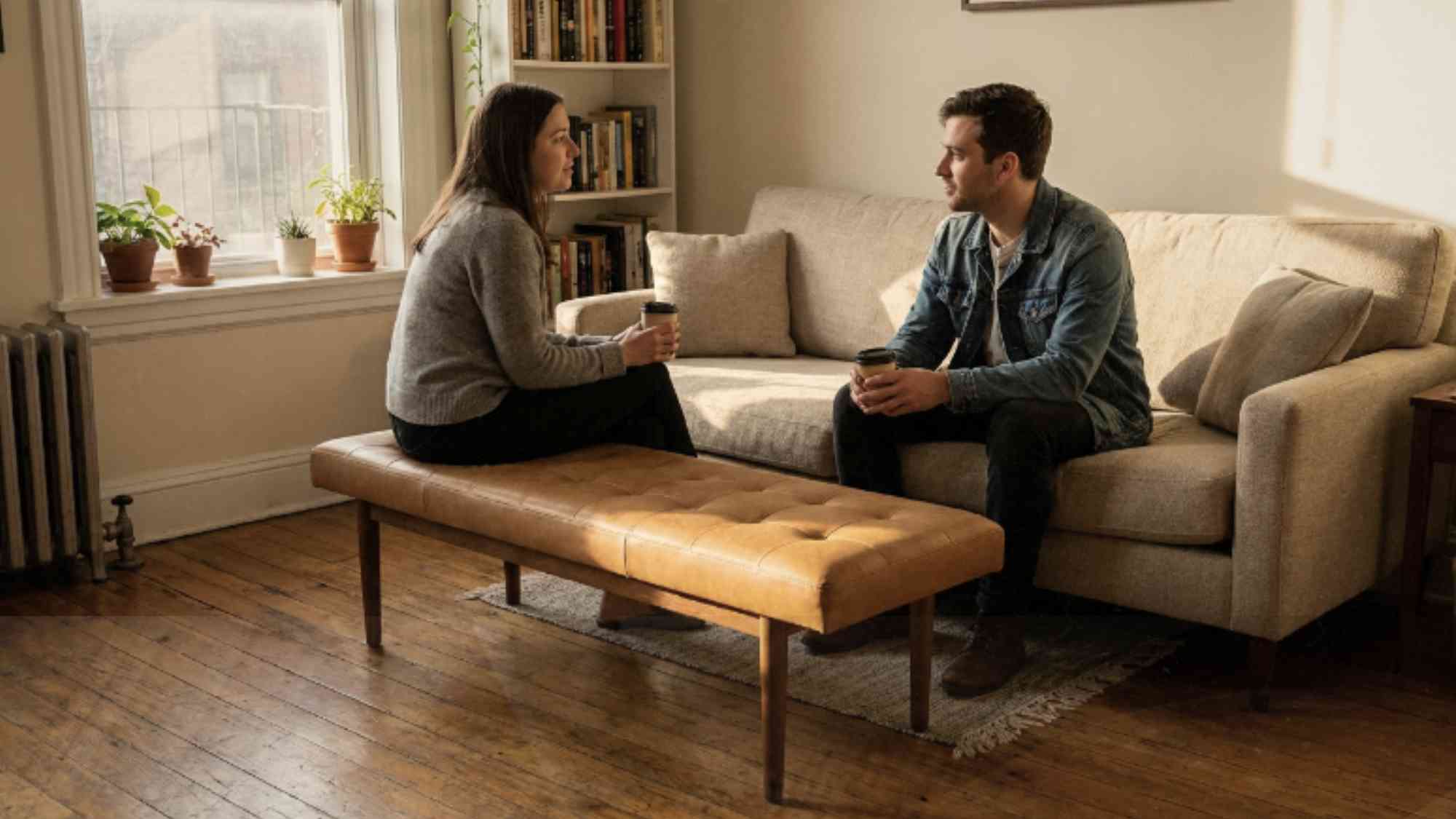
A bench takes up less visual space than a chair and can often seat two people. It is also easier to tuck under a console table or slide to the side when not in use. For small living rooms where seating is needed but space is tight, a bench is often the smarter choice.
26. Use Vertical Stripes Carefully
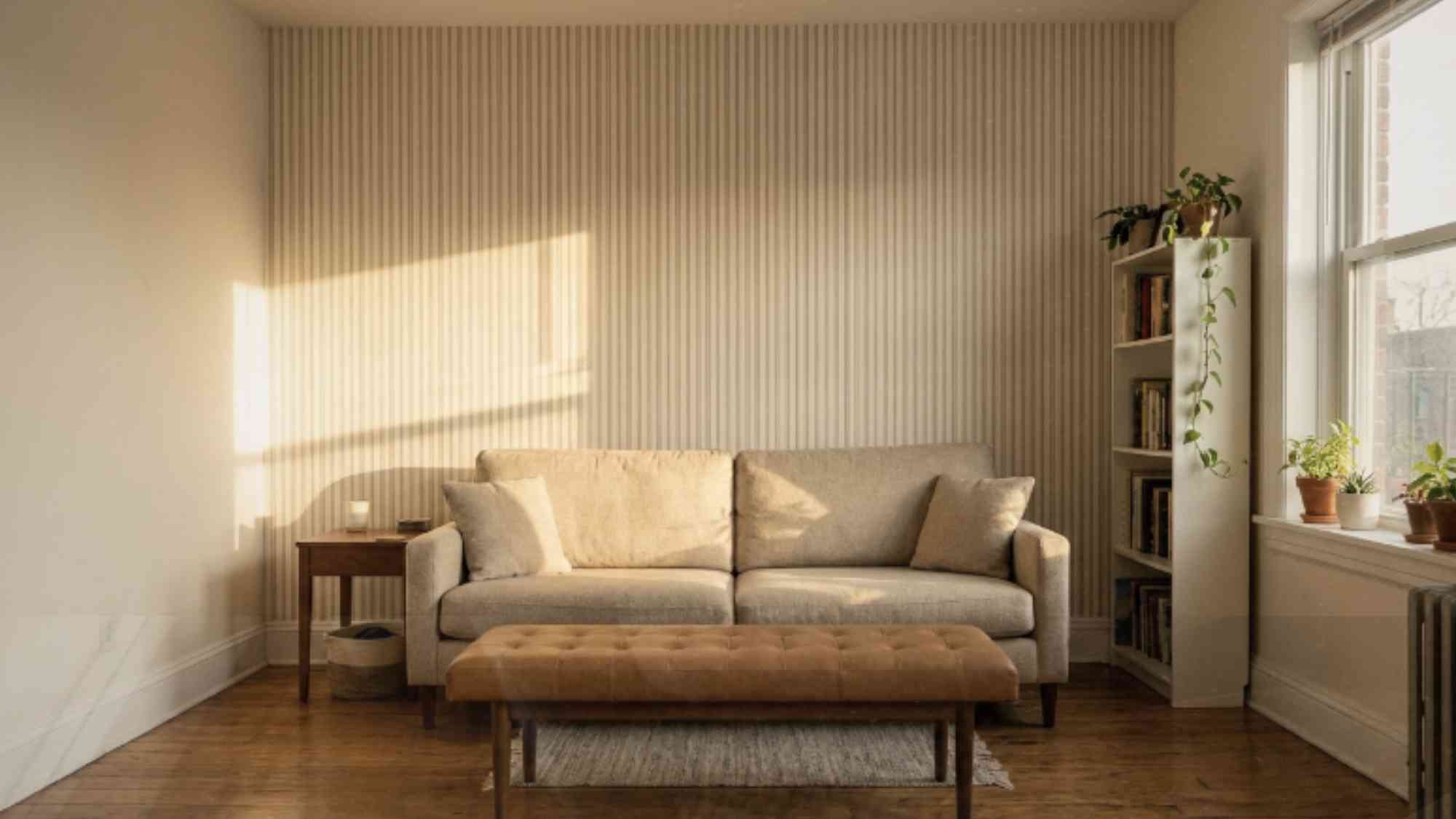
Vertical stripes on wallpaper or an accent wall draw the eye upward and make ceilings feel higher. This works well in rooms where the ceiling height is the main issue. However, use this technique on just one wall rather than all four, or the pattern becomes overwhelming.
27. Match the Rug to the Wall Color
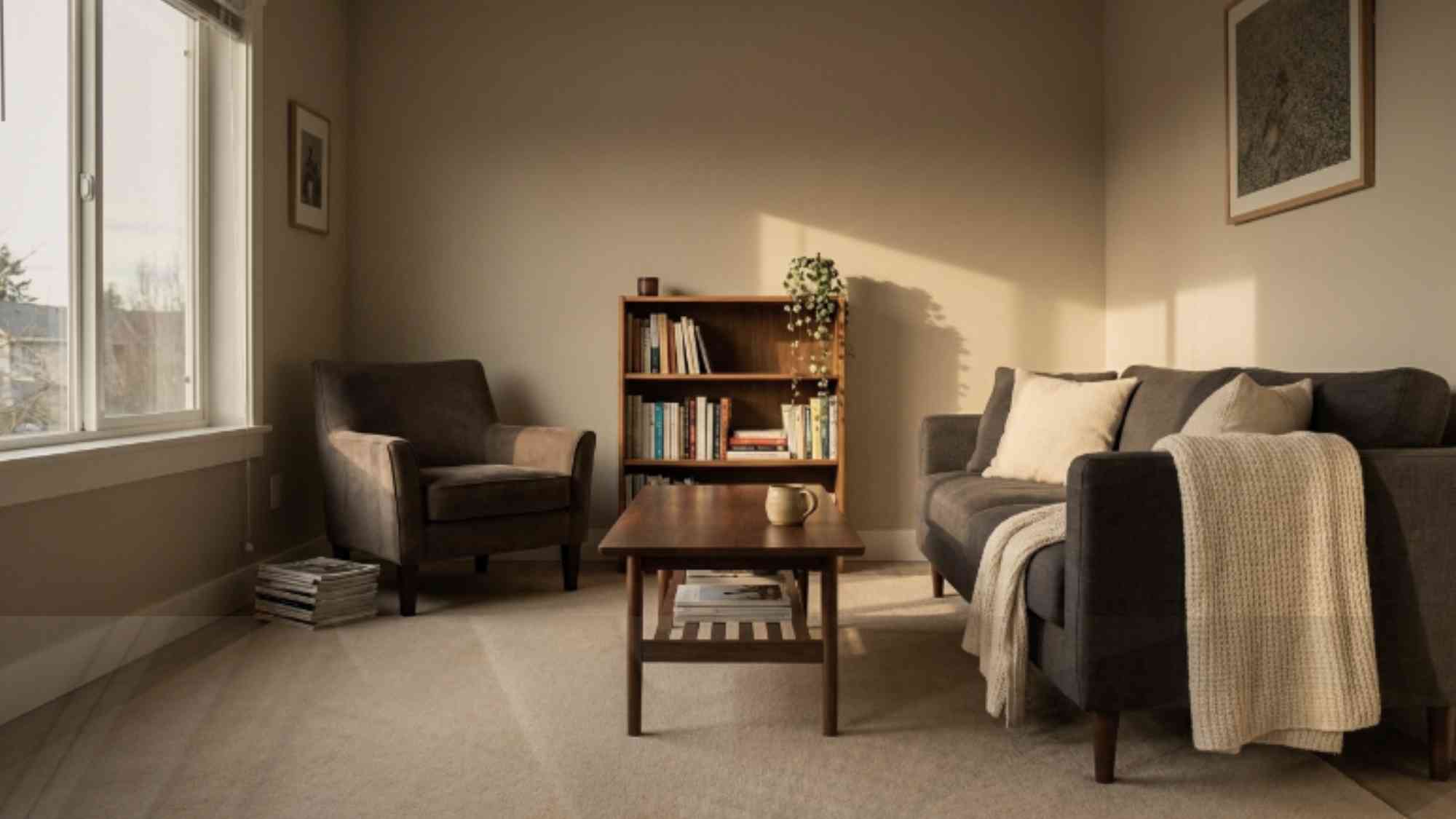
A rug that closely matches the wall color creates a seamless visual flow from floor to wall. This continuity removes the stark contrast that makes a room feel choppy and broken up. As a result, the space reads as calmer and larger.
28. Keep Window Sills Clear
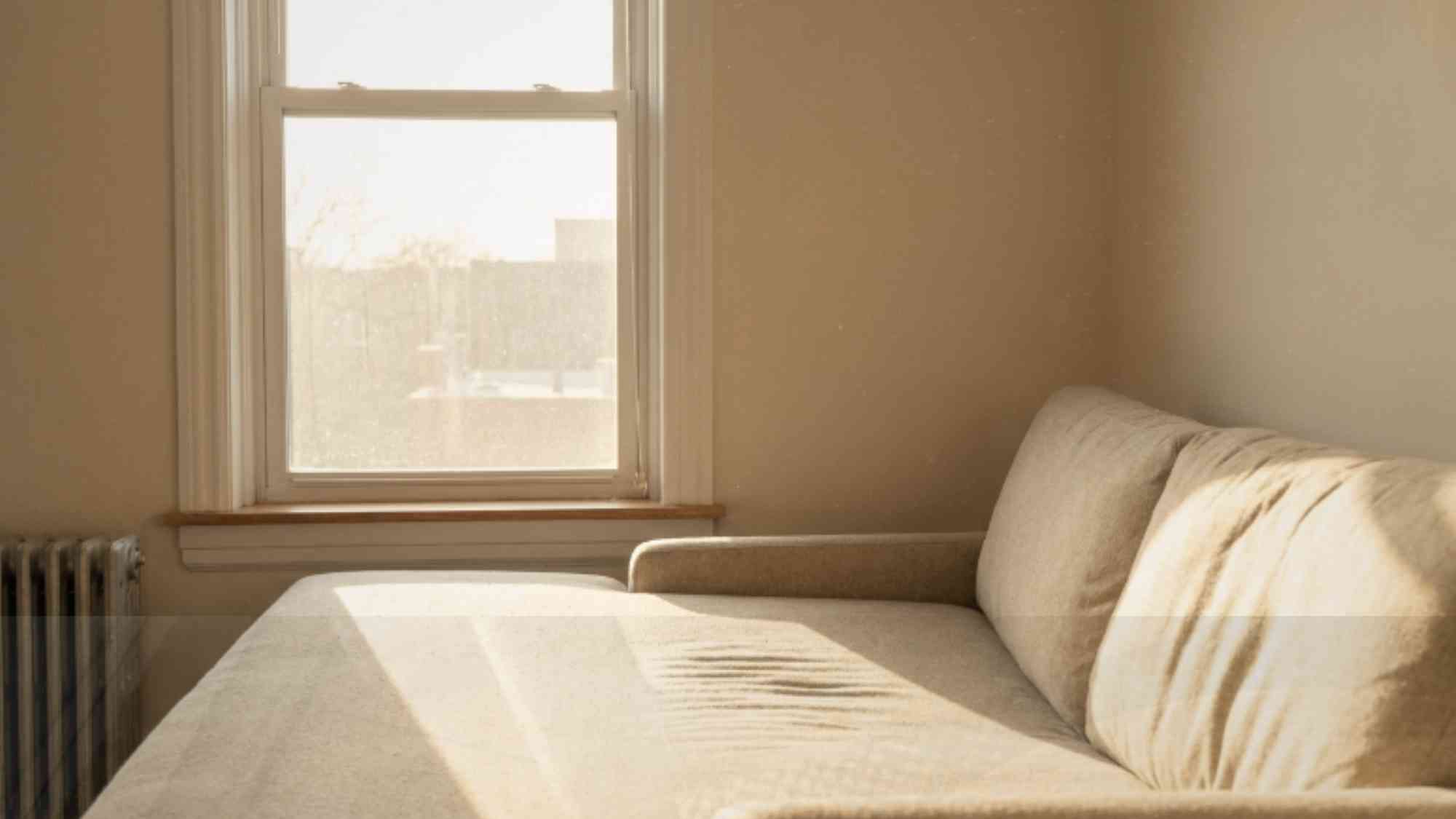
Window sills are tempting storage spots but cluttered sills block light and make windows feel smaller. A clear sill lets light pour in unobstructed and keeps the window as an open visual anchor in the room.
29. Use Nesting Tables Instead of a Single Coffee Table
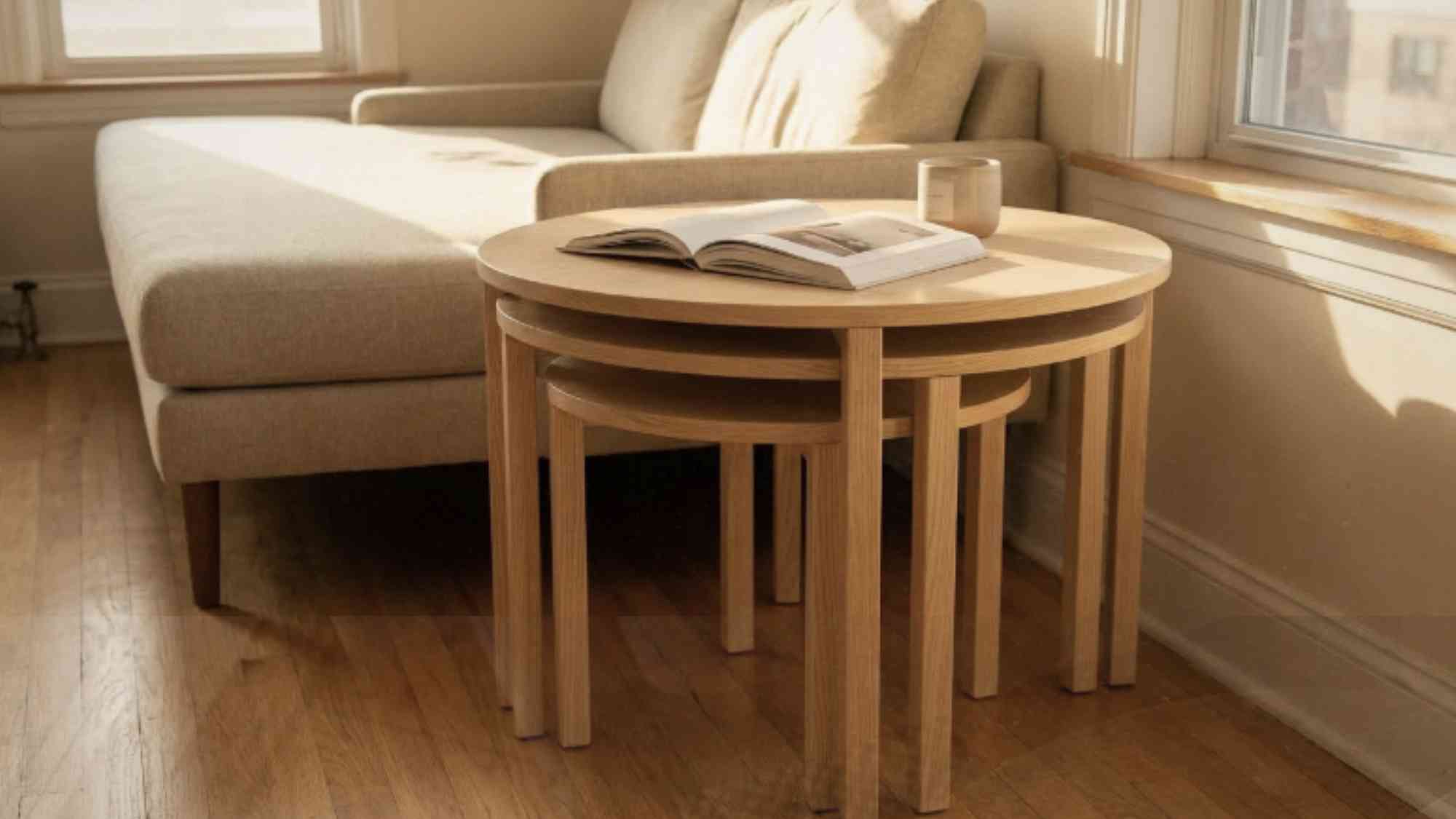
Nesting tables can be pulled apart when you have guests and tucked together when you do not. This flexibility is genuinely useful in a small space where the furniture arrangement often has to shift based on how the room is being used.
30. Choose Soft, Diffused Lighting
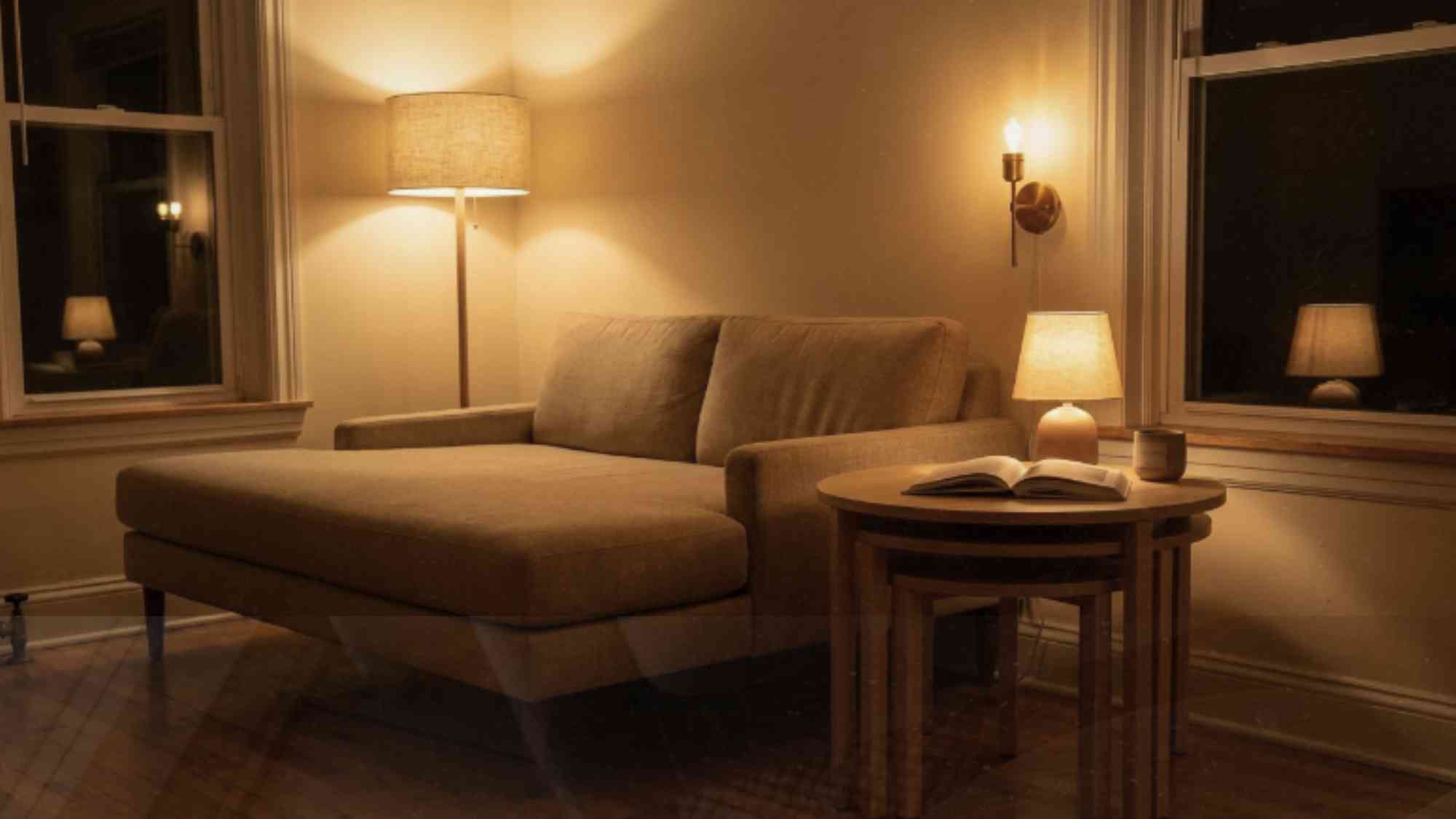
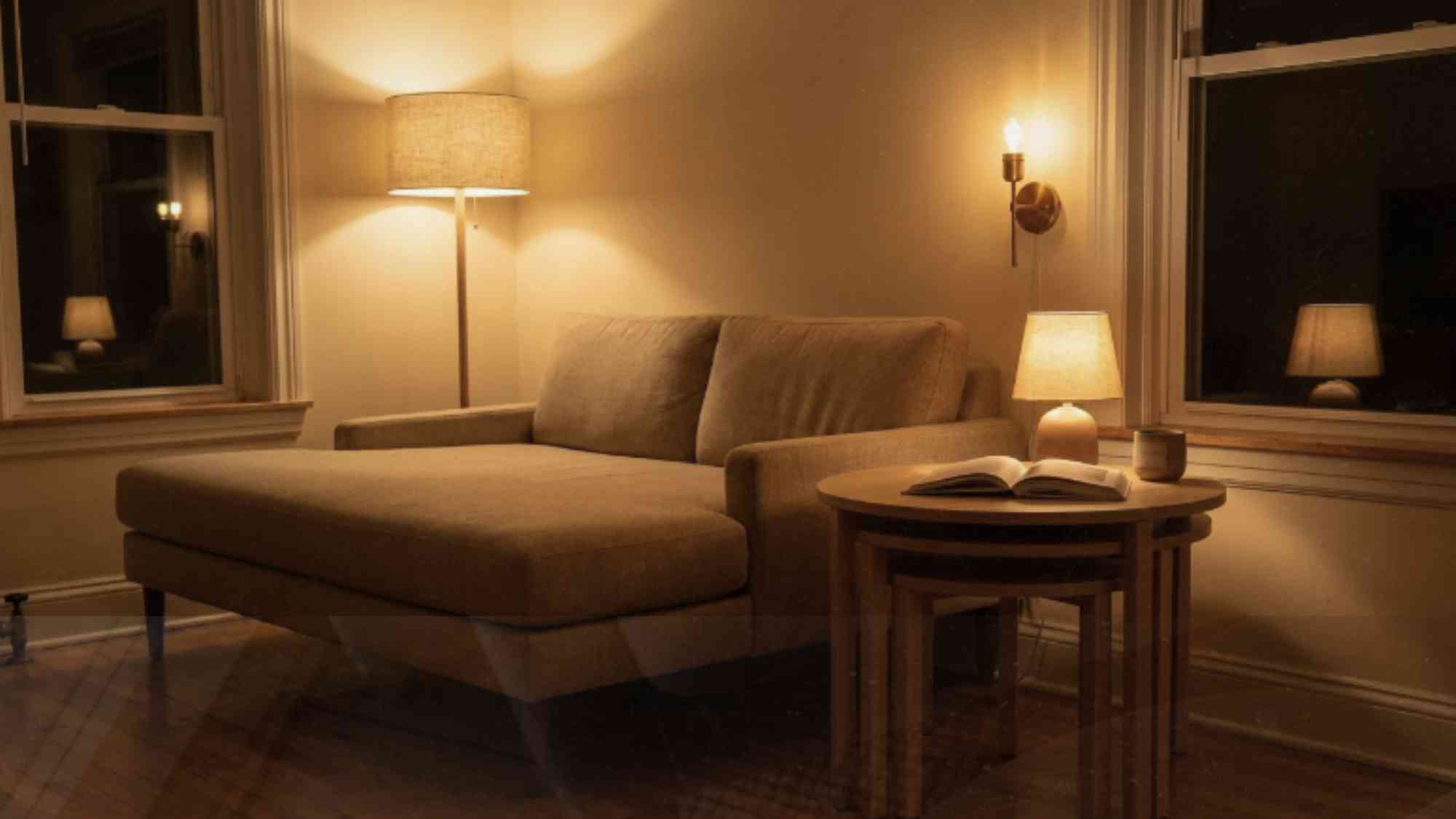
Harsh overhead lighting makes a small room feel like a utility closet. Soft, layered lighting from multiple sources, including floor lamps, table lamps, and wall sconces, creates warmth and makes the space feel more like a room that was designed rather than assigned.
31. Use a Console Table as a Room Divider
In a studio apartment, a low console table placed behind the sofa creates a natural division between the living area and the rest of the space. It defines zones without adding walls or visual barriers, and the surface gives you a place for a lamp, books, or a small plant.
32. Personalize It
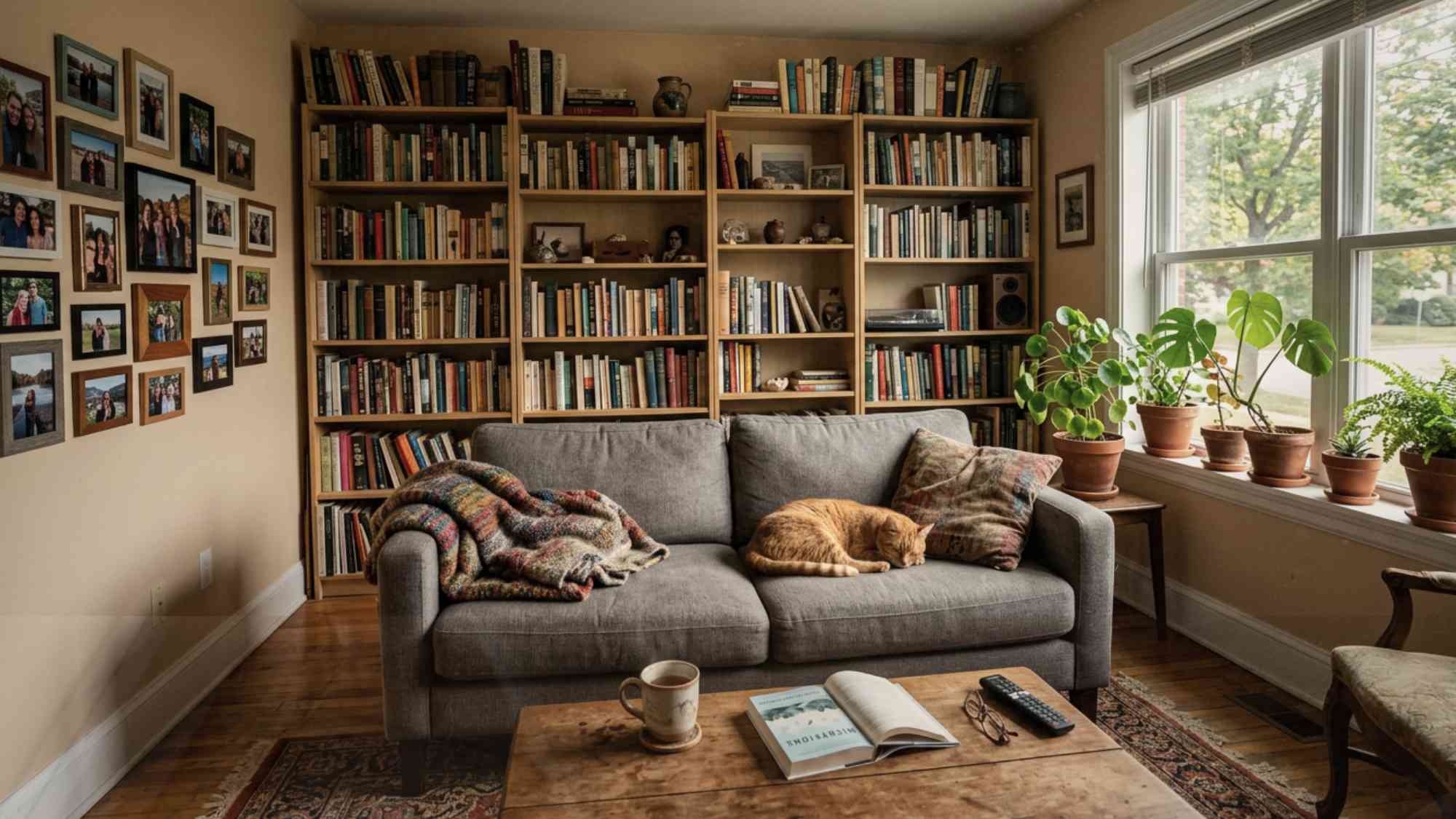
This is the idea that most design guides leave out. A room that reflects your actual personality feels more like home, and a room that feels like home feels comfortable regardless of size. Put up the art you love. Keep the books you actually read. Use the color that makes you happy even if it is not the “right” one for a small space. Rules are starting points, not sentences.
A Few Things Worth Remembering
Getting a small living room right is not about copying a Pinterest board. It is about understanding what bothers you about the space and addressing those specific things. Maybe the room feels dark. Maybe there is too much furniture. Maybe the layout has never worked and you have just accepted it.
Start with one or two of these ideas rather than trying to implement all 32 at once. Small rooms reward gradual, thoughtful changes more than full overhauls. Often, moving one piece of furniture or adding a single mirror does more than a complete redecorating project.
The goal is a room that feels good to be in, not a room that looks good in photos. Those two things are sometimes the same, but not always. Trust your own comfort over trends, and your small living room will serve you far better for it.
Living in a small apartment is a trade-off, but it does not have to feel like one. With the right ideas applied in the right order, a small living room can become the best room in the home.